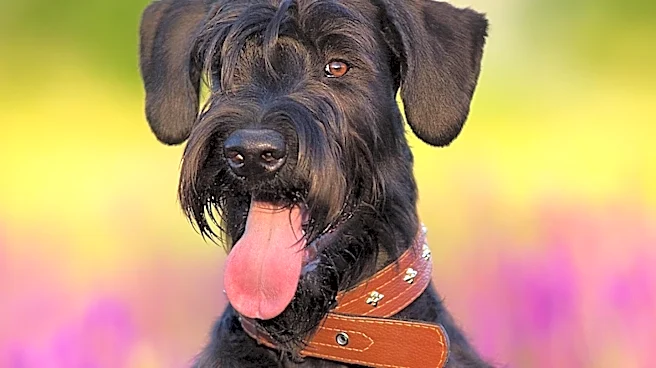

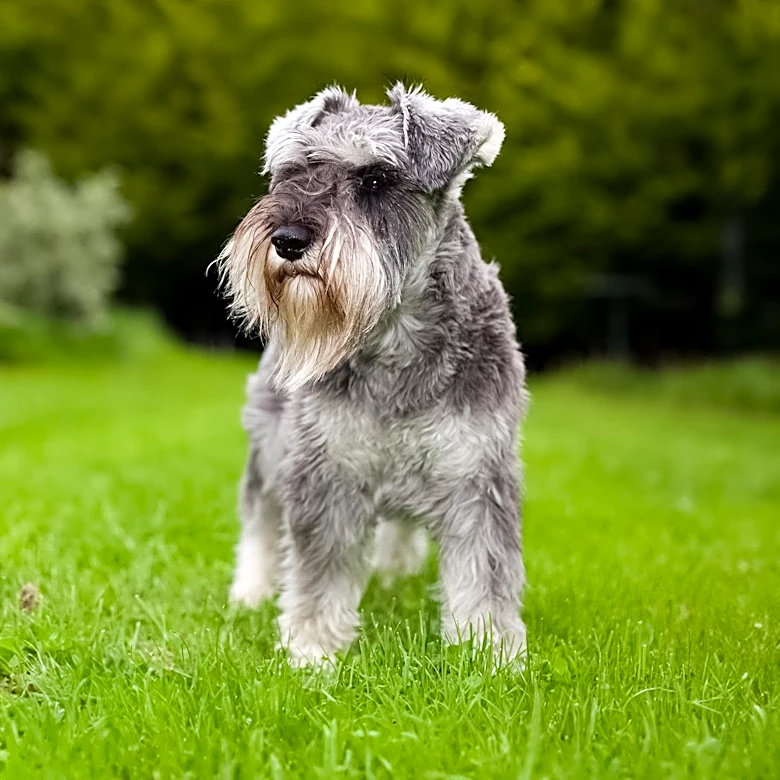
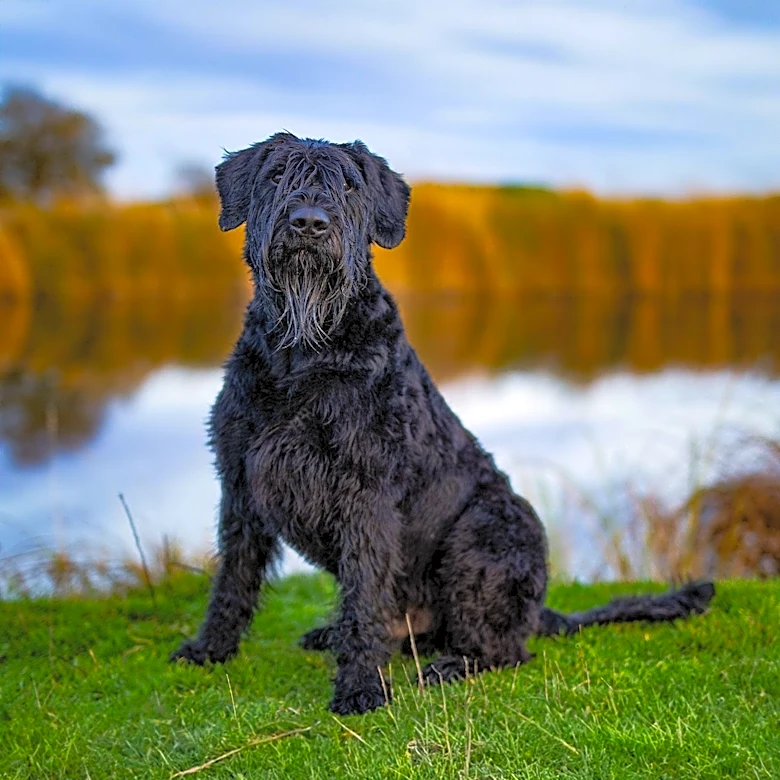







The Standard Schnauzer, a robust and squarely-built dog, has a rich history that traces back to the 1880s in southern Germany. Known for its distinctive bristly beard and whiskers, this breed is one of three Schnauzer types, alongside the Giant and Miniature Schnauzers. The Standard Schnauzer's development is deeply intertwined with its utility as a working dog, and its journey from a regional breed to international recognition is a fascinating tale
of adaptation and resilience.
Early Origins and Development
The origins of the Standard Schnauzer are somewhat shrouded in mystery, with the breed's name and initial use not clearly documented. However, it is known that the breed was developed in southern Germany during the 1880s. Initially, these dogs were used as carriage dogs and stable dogs, known for their ratting capabilities. They were often referred to as Stallpinscher, a testament to their role in stables and their ability to control vermin populations.
The breed shares a common history with the German Pinscher, with both rough-haired and smooth-haired types emerging from the same lineage. The rough-haired type, which would later become the Schnauzer, was also known as the Rattler. This dual-purpose utility as both a guard and a ratter made the Schnauzer a valuable asset in rural and urban settings alike.
Establishment and Recognition
The formal recognition of the Schnauzer began in the late 19th century. In 1880, the Pinscher was recorded in the Deutschen Hundestammbuch, and the first breed standard was established. This standard described various colors for the rough-haired type, including iron-grey and silver-grey. By 1895, a breed society known as the Pinscherklub was established, which included both rough- and smooth-haired types.
In 1917, the breed's name officially changed from Rauhaarige Pinscher to Schnauzer, marking a significant milestone in its development. The Pinscherklub and the Schnauzerklub München merged in 1918 to form the Pinscher-Schnauzer-Verband, which later became the Pinscher-Schnauzer-Klub 1895 e.V. This organization played a crucial role in promoting and preserving the breed.
Modern Recognition and Conservation
The Standard Schnauzer gained international recognition when it was accepted by the Fédération Cynologique Internationale in 1955. Despite its popularity, the breed is considered endangered in Germany, listed in category III of the Rote Liste of the Gesellschaft zur Erhaltung alter und gefährdeter Haustierrassen. Efforts to conserve the breed have been ongoing, with annual registrations in Germany averaging 464 between 2007 and 2021.
In the United States, the breed's popularity grew after a Schnauzer was named "Best in Show" at the Westminster Kennel Club in 1997. The Standard Schnauzer Club of America, established in 1933, continues to promote the breed, ensuring its legacy as a versatile and beloved companion.