





Motorcycles rely on clutches to manage power transfer from the engine to the transmission, allowing riders to shift gears smoothly. The design and operation of motorcycle clutches are tailored to meet the unique demands of two-wheeled vehicles, ensuring optimal performance and control.
Wet Clutches in Motorcycles
Motorcycles typically use wet clutches, which operate in the same oil as the transmission. This design provides lubrication and cooling, enhancing the clutch's lifespan
and engagement smoothness. Wet clutches consist of a stack of alternating friction plates and steel plates, with friction plates locked into a basket turned by the crankshaft and steel plates locked to the transmission input shaft.
The use of coil springs or diaphragm spring plates forces the plates together when the clutch is engaged, ensuring efficient power transfer. This setup allows for smooth gear changes and reduces wear, making wet clutches a popular choice in motorcycle design.
Clutch Operation and Control
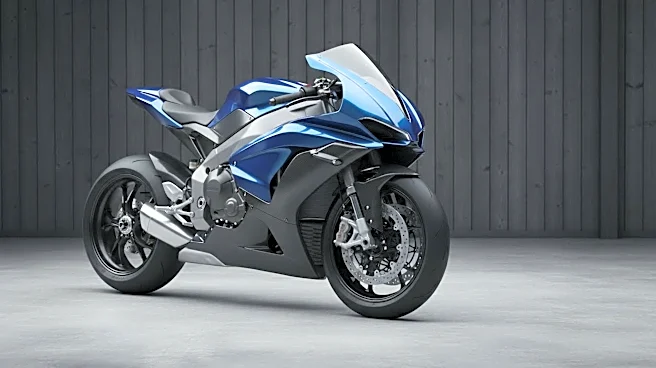
Motorcycle clutches are operated by a hand lever on the left handlebar. When the lever is not pressed, the clutch plates are engaged, allowing the motorcycle to drive. Pulling the lever back disengages the clutch plates, enabling the rider to shift gears or coast. This manual control provides riders with precise handling and adaptability in various riding conditions.
Racing motorcycles often incorporate slipper clutches to eliminate the effects of engine braking, which can cause instability by applying braking force only to the rear wheel. Slipper clutches enhance stability and control, particularly in high-speed racing scenarios.
Impact on Motorcycle Performance
The design and operation of motorcycle clutches significantly impact performance. Efficient clutch systems allow for smooth acceleration and gear changes, contributing to a better riding experience. Regular maintenance and understanding clutch operation can help riders optimize their motorcycle's performance.
By ensuring proper lubrication and minimizing wear, riders can extend the lifespan of their clutches and maintain optimal functionality. The choice of clutch design, whether standard wet clutches or advanced slipper clutches, plays a crucial role in achieving desired performance levels.
Motorcycle clutches are integral to the vehicle's operation, providing control and efficiency in power transfer. Their design and functionality are tailored to meet the demands of motorcycle riding, ensuring a smooth and responsive experience.