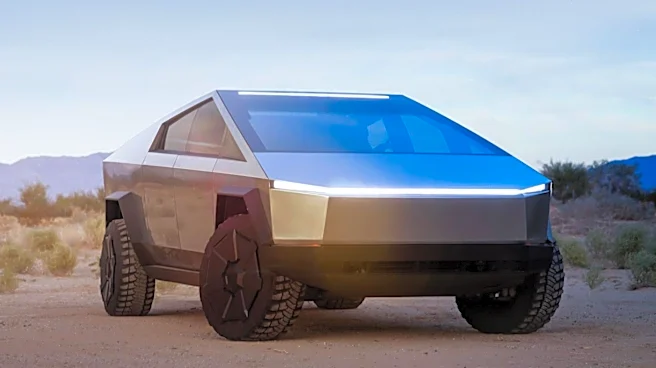


The Tesla Cybertruck, a distinctive battery-electric pickup, has a history rooted in the long-term vision of Tesla CEO Elon Musk. The idea for a Tesla pickup truck began to take shape as early as 2012, with Musk publicly sharing his initial thoughts on what such a vehicle might entail. This early conceptualization laid the groundwork for a vehicle that would eventually break from traditional automotive design, drawing inspiration from unexpected sources
and aiming for ambitious performance targets. The journey from a nascent idea to a physical prototype involved several years of planning, public announcements, and a clear inclusion in Tesla's broader strategic goals.
Early Concepts and Ambitious Goals
In 2012, Elon Musk first articulated his vision for a "Tesla supertruck." He imagined a vehicle characterized by "crazy torque, dynamic air suspension, and corners like it's on rails." This early description highlighted a desire to combine the utility of a truck with the advanced performance and handling typically associated with sports cars, a hallmark of Tesla's approach to electric vehicles. Musk also specified that this supertruck would feature load-compensating suspensions, a feature he compared to those found in a Ford F-250, indicating a focus on practical capability alongside innovative design.
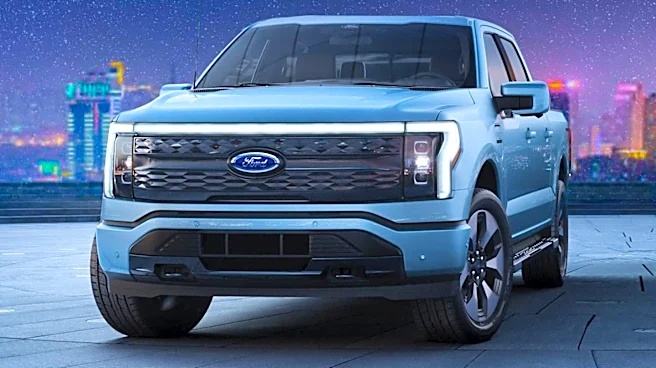
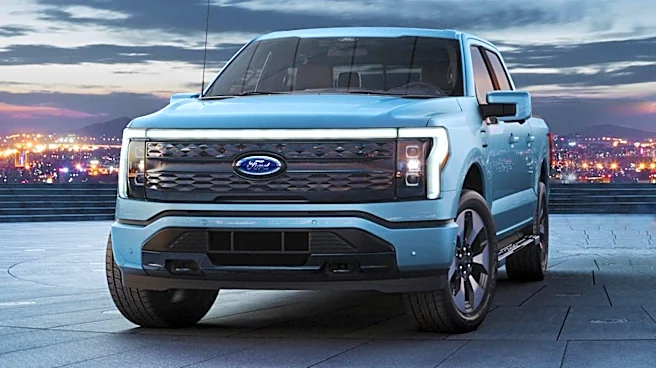
By early 2014, Musk predicted that it would be another four to five years before active development work on the product could commence. This timeline suggested a methodical approach to integrating a pickup truck into Tesla's product lineup. In a 2015 interview, Musk further clarified his aspirations, stating that the Tesla pickup would be the equivalent of a Ford F-150, directly positioning it against one of the most popular and iconic trucks in the U.S. market. This comparison underscored Tesla's intention to compete directly in the highly competitive pickup truck segment, but with an electric, high-performance offering.
Integration into Tesla's Master Plan and Design Inspiration
The concept of a consumer pickup truck was formally incorporated into Tesla's strategic roadmap in mid-2016, appearing in part two of the company's "Master Plan." This inclusion solidified the pickup truck's place as a future product for the company. Musk also suggested the possibility of using the same chassis for both a van and a pickup truck, hinting at a modular approach to vehicle development that could yield multiple body styles from a single platform. This strategic planning indicated a long-term commitment to the pickup segment.
In late 2017, Musk offered a tantalizing glimpse of the future by teasing a picture of a "pickup truck that can carry a pickup truck" during the official reveal events for the Tesla Semi and the new Roadster. This dramatic visual emphasized the scale and capability Tesla envisioned for its upcoming truck. The design inspiration for the Cybertruck, as later revealed by Musk, was deeply rooted in science fiction and iconic cinematic vehicles. He cited the dystopian aesthetic of "Blade Runner" and the unique "Wet Nellie" Lotus Esprit from the James Bond film "The Spy Who Loved Me," which famously transformed into a submarine, as key influences. These inspirations pointed to a design philosophy that prioritized a futuristic and unconventional appearance over traditional truck aesthetics.
From Tease to Prototype Unveiling
As development progressed, Musk anticipated that a prototype of the Cybertruck would be ready for public display in 2019. This prediction came to fruition when the vehicle was officially introduced as a prototype in November 2019. The unveiling marked a significant milestone, transitioning the Cybertruck from a series of conceptual ideas and teasers into a tangible, albeit early-stage, product. The prototype showcased the radical design and ambitious features that had been hinted at for years, setting the stage for its eventual production and market entry.