
The winter white dwarf hamster, known scientifically as *Phodopus sungorus*, is a fascinating creature that showcases remarkable adaptations for survival in its harsh natural environment. This small rodent,
also referred to by names such as the Russian dwarf hamster or Siberian hamster, is one of three species within the *Phodopus* genus. Its physical traits and behaviors are finely tuned to help it thrive in the cold, snow-covered steppes and semi-deserts of Central Asia, particularly through its unique seasonal fur changes and intricate burrowing habits.
Seasonal Camouflage: The Winter Coat
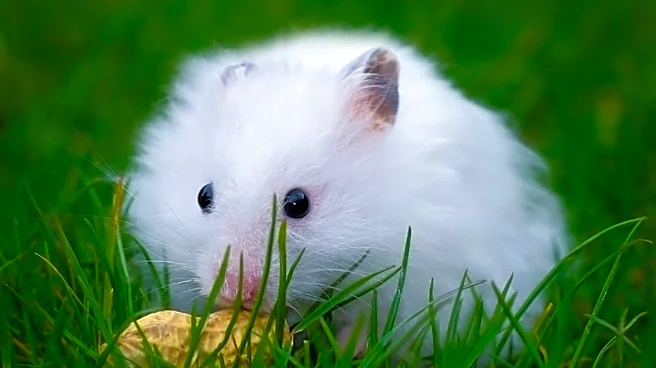
One of the most distinctive features of the winter white dwarf hamster is its ability to change fur color with the seasons. As winter approaches and the days grow shorter, the hamster's dark fur is almost entirely replaced with white fur. This transformation serves as a crucial adaptation, providing camouflage against the snow-covered landscape. This natural disguise helps the hamster evade predators, such as weasels, which are among its main threats in the wild. The term "winter white" itself derives from this very phenomenon, highlighting its importance to the species' survival.
This fur change is not merely a cosmetic alteration; it is a complex physiological response. The pigmentation of the hair is controlled by hormones, specifically prolactin, and influenced by color genetics. A decrease in day length, typically less than 14 hours, can trigger the change to the winter coat. Research suggests that even a directional change in photoperiod length, such as a transition from 16 hours of light to 14 hours, can initiate this process. The moulting into winter fur usually begins in October or November and is completed by December, while the return to the summer coat starts in January or February and finishes by March or early April. The winter fur is also denser, providing additional insulation against the cold.
Ingenious Burrows: Home and Sanctuary
Beyond its fur, the winter white dwarf hamster's survival strategy heavily relies on its sophisticated burrowing behavior. In the wild, these hamsters dig tunnels that can extend up to one meter deep, leading to ground burrows. These underground structures serve multiple vital purposes: they are places for the hamsters to sleep, raise their young, and, critically, hide from predators. Most of these burrows are quite elaborate, featuring six entrances, which likely offer multiple escape routes.
To combat the extreme temperatures of their habitat, these hamsters meticulously prepare their burrows. In the summer, the burrows are lined with moss, providing a comfortable environment. As winter sets in, the hamsters take further steps to insulate their homes. They close all but one entrance to their burrows and line the interior with animal fur or wool they find. This careful preparation helps maintain a relatively stable and warm internal temperature, typically around 16.7 °C (62.1 °F), even when external temperatures plummet. The furry feet of the hamster also offer protection from the cold ground, further aiding their resilience in frigid climates.
Physical Traits and Habitat
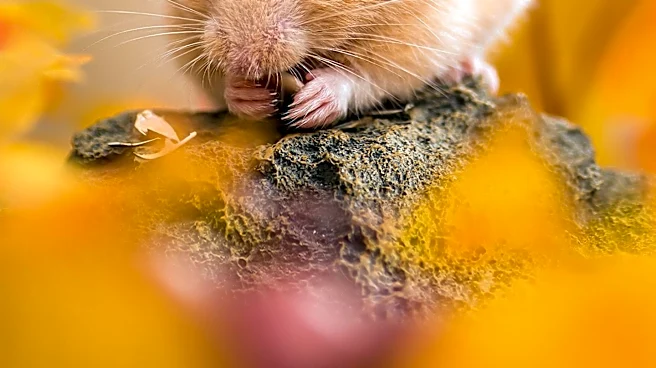
The winter white dwarf hamster is characterized by its ball-shaped body, which is typically half the size of a golden hamster. It possesses a thick, dark grey dorsal stripe and furry feet. Its head and body length range from 70 to 90 millimeters, with a tail length of 5 to 15 millimeters and hind legs measuring 11 to 15 millimeters. The body weight fluctuates throughout the year, reaching its lowest point during winter. Males typically weigh between 19 and 45 grams, while females range from 19 to 36 grams. In captivity, they tend to be slightly heavier. Their eyes are black, unless they are albino, in which case they are red.
These hamsters inhabit various environments across Central Asia, including semi-deserts, dry steppes, and agricultural fields such as wheat or alfalfa fields. They can also be found in small fields within the forests of regions like Minusinsk. Their population density can vary significantly depending on the specific location. The combination of their physical characteristics, such as their compact body and fur-covered feet, along with their behavioral adaptations like seasonal fur changes and complex burrow construction, allows the winter white dwarf hamster to successfully navigate and survive the challenging conditions of its natural habitat.