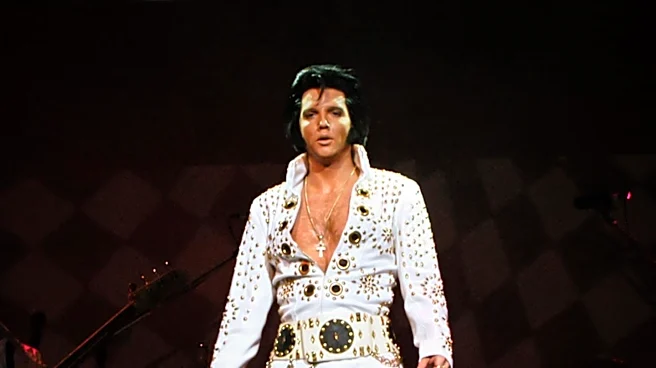









Elvis Presley's signing with RCA Victor in 1955 marked a pivotal moment in his career, transforming him from a regional sensation into a national icon. This transition was orchestrated by Colonel Tom Parker, who recognized the potential for Presley's unique sound to reach a broader audience. This article examines the significance of Presley's contract with RCA Victor and how it served as a turning point in his career.
The Road to RCA Victor
Before signing with RCA Victor,
Elvis Presley was recording at Sun Records, where he began his music career in 1954. Under the guidance of producer Sam Phillips, Presley developed a distinctive style that blended country music with rhythm and blues, known as rockabilly. This sound, combined with Presley's charismatic stage presence, quickly gained him a local following.
However, Phillips realized that for Presley to achieve greater success, he needed the backing of a larger label. Enter Colonel Tom Parker, who saw the potential in Presley's music and began seeking a new recording contract. Despite initial interest from Mercury Records and Columbia Records, it was RCA Victor that ultimately acquired Presley's contract in a deal arranged by Parker. This move to a major label provided Presley with the platform he needed to reach a wider audience.
The Impact of the RCA Victor Contract
The contract with RCA Victor was a game-changer for Elvis Presley. It led to the release of his first album in 1956, which became the first RCA Victor pop album to earn more than $1,000,000. The album's success was a testament to Presley's widespread appeal and the effectiveness of Parker's management.
Presley's first RCA Victor single, "Heartbreak Hotel," became a massive hit, propelling him to national stardom. The song's success was a clear indication that Presley's music resonated with a broad audience, and it set the stage for his future as one of the most commercially successful entertainers in the world.
A Lasting Legacy
The transition to RCA Victor not only marked a turning point in Presley's career but also solidified his place in music history. The support of a major label allowed Presley to reach new heights, and his music continued to captivate audiences around the world.
Presley's contract with RCA Victor was more than just a business deal; it was a catalyst for his transformation into a cultural icon. The success that followed demonstrated the power of strategic management and the importance of aligning with the right partners in the music industry. Elvis Presley's legacy as the King of Rock and Roll was built on the foundation laid by his transition to RCA Victor, a move that forever changed the landscape of popular music.