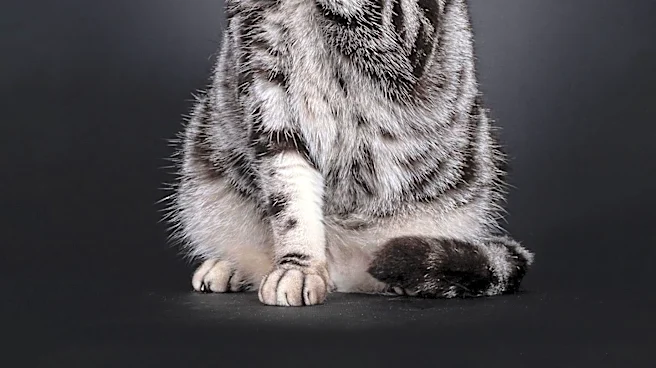

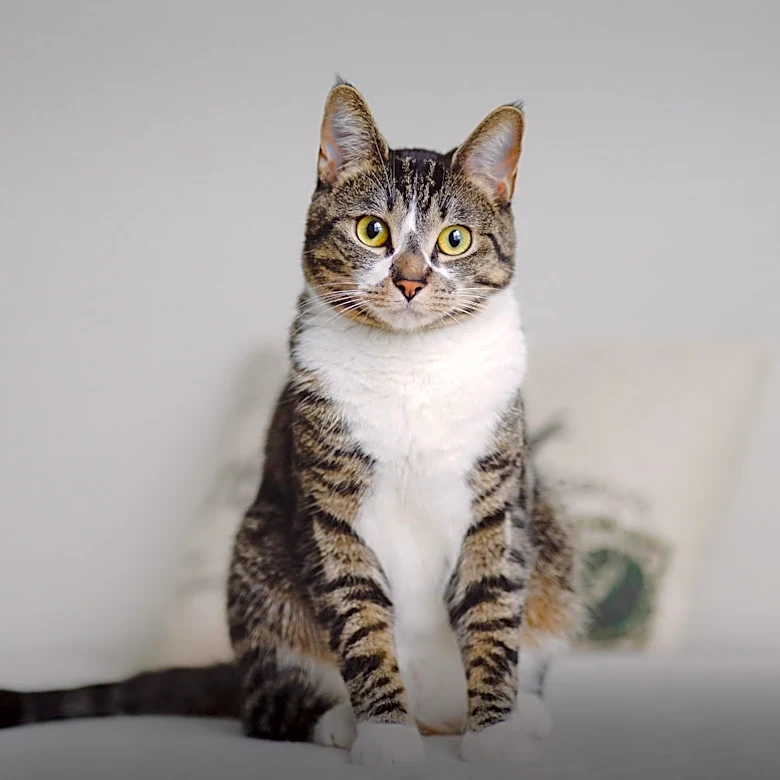


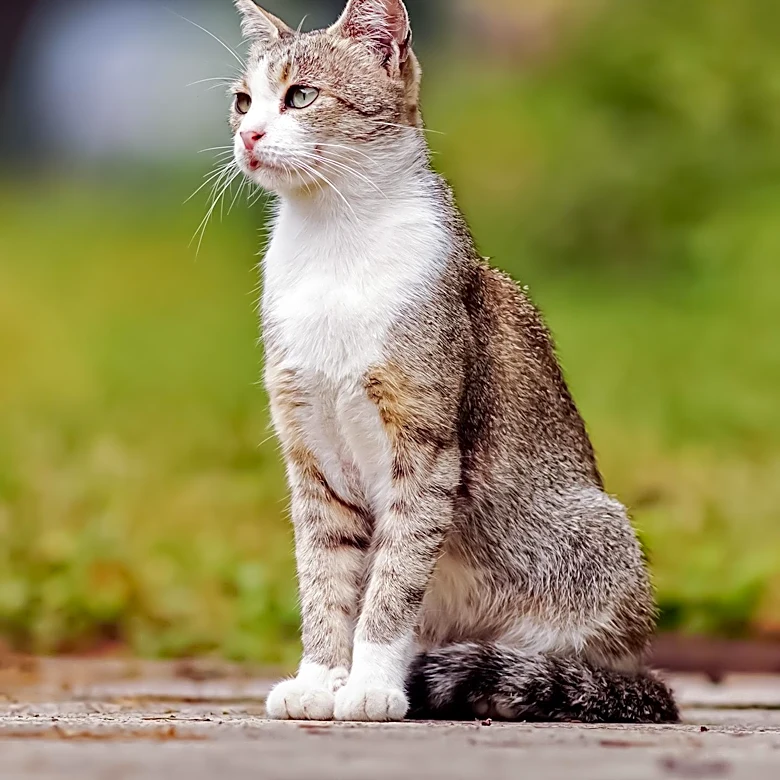



The American Wirehair stands out among domestic cat breeds due to its distinctive wiry fur and crinkly whiskers, a trait that emerged from a spontaneous genetic mutation. This unique characteristic sets it apart and has contributed to its recognition by various cat associations. Despite its well-known status, the American Wirehair is considered one of the rarest breeds, ranking among the 41 recognized by the Cat Fanciers' Association as of 2017. Its
story began in upstate New York, marking a significant moment in feline breeding history.
The Spontaneous Mutation of 1966
The origin of the American Wirehair can be traced back to a single, remarkable event in 1966. In Vernon, upstate New York, a litter of five barn cats produced an unexpected kitten. This particular male, red-and-white in color, possessed an unusual wiry coat, a clear departure from the typical fur of his American Shorthair parents. This was not a planned breeding outcome but rather a spontaneous genetic mutation, a natural occurrence that sometimes leads to new traits in animal populations.
This mutation was later identified as a dominant genetic trait responsible for the wirehair characteristic. Importantly, researchers found that this mutation was distinct from the Rex mutation seen in other curly-coated breeds, such as the Cornish Rex or Devon Rex. This distinction highlighted the unique genetic basis of the American Wirehair's coat, confirming it as a novel development in the world of cat genetics.
From Barn Cat to Breeding Program
The owner of the barn cats recognized the unusual nature of the wiry-coated kitten and contacted Mrs. Joan O'Shea, a local breeder known for her Rex cats. Mrs. O'Shea, intrigued by the kitten's unique appearance, purchased him for $50. To initiate a breeding program, she also acquired one of his normal-coated female littermates. The wiry-haired male was given the name Council Rock Farms Adams of Hi-Fi, or 'Adam' for short, while his female counterpart was named Tip-Top.
This initial pairing was crucial for establishing the breed. Breeding Adam and Tip-Top successfully produced wirehaired kittens, demonstrating the dominant nature of the genetic trait. As the breeding program progressed and the population of these unique cats grew, many of the wirehaired offspring were sold to other interested breeders. This expansion allowed the breed to gain wider recognition and spread beyond its initial New York origins.
International Recognition and Continued Development
The success of the early breeding efforts led to the export of American Wirehairs to other countries, including Canada and Germany, where they gained particular popularity. The breed's distinct characteristics and the dedication of breeders helped it achieve significant milestones in the cat fancy world. In 1967, just a year after its initial discovery, the American Wirehair was officially recognized by the Cat Fanciers' Association (CFA).
Further solidifying its status, the breed was accepted for championship competition by the CFA in 1978, allowing American Wirehairs to compete for top honors in cat shows. Despite its international presence and recognition, the American Wirehair remains a rare breed. As of the available information, it has yet to make a significant appearance in countries like Britain and Australia, indicating that its global distribution is still somewhat limited, contributing to its rarity even today.