





Pad Thai is more than just a dish; it is a culinary masterpiece that showcases the art of balancing flavors and textures. This iconic Thai dish is known for its unique combination of ingredients that come together to create a harmonious blend of tastes. From the choice of noodles to the final garnishes, every element of Pad Thai plays a crucial role in its overall appeal.
Key Ingredients and Their Roles
At the heart of Pad Thai are the rice noodles, which serve as the foundation
of the dish. These noodles are stir-fried to perfection, absorbing the flavors of the accompanying ingredients. Eggs are another essential component, adding richness and texture to the dish. The inclusion of various vegetables, such as bean sprouts and green onions, provides a fresh and crunchy contrast to the soft noodles.
Proteins like tofu, shrimp, or chicken are often added to Pad Thai, offering a source of sustenance and enhancing the dish's flavor profile. The use of fish sauce, known as nam pla, is a defining characteristic of Pad Thai, imparting a savory umami taste that is balanced by the sweetness of tamarind paste and the acidity of lime juice. Peanuts, either whole or crushed, are sprinkled on top, adding a nutty flavor and a satisfying crunch.
The Art of Preparation
The preparation of Pad Thai is an art form in itself, requiring skill and precision. The dish is traditionally cooked in a wok, which allows for high heat and quick cooking. This method ensures that the noodles are perfectly stir-fried, with a slight char that adds depth to the flavor. The ingredients are added in a specific order, starting with the proteins and vegetables, followed by the noodles and sauces.
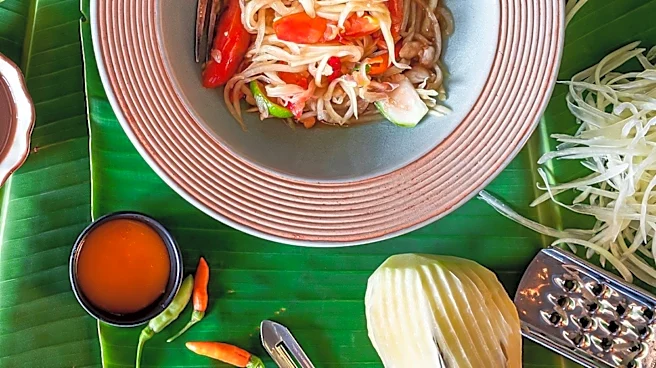
Timing is crucial in the preparation of Pad Thai, as overcooking can lead to mushy noodles and a loss of texture. The dish is typically served hot, straight from the wok, to preserve its vibrant flavors and textures. In Thailand, Pad Thai is often served on a banana leaf, accompanied by a wedge of lime and a piece of fresh banana flower, which adds an authentic touch to the presentation.
Variations and Adaptations
While the traditional recipe for Pad Thai is beloved, there are numerous variations that cater to different tastes and dietary preferences. In Western countries, for example, Pad Thai is often made with chicken or beef instead of shrimp, and additional ingredients like chili peppers or cilantro may be added for extra flavor.
These adaptations reflect the dish's versatility and its ability to evolve while maintaining its core identity. Whether enjoyed in a bustling street market in Bangkok or a Thai restaurant in New York, Pad Thai continues to captivate food lovers with its delightful combination of flavors and textures.