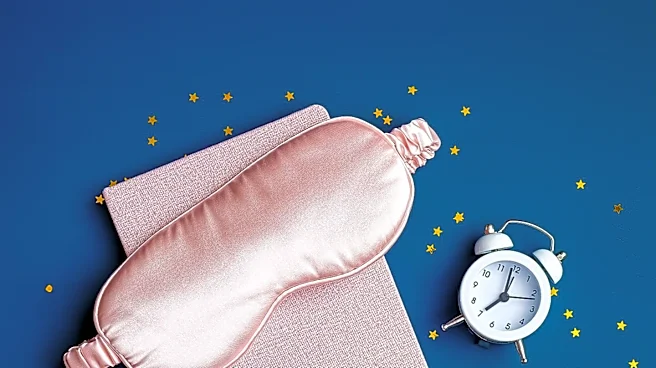








Sleep hygiene, a concept developed in the late 1970s, refers to a collection of behavioral and environmental practices designed to assist individuals experiencing mild to moderate insomnia. It emphasizes the importance of both the actions people take and the conditions of their sleeping environment in promoting quality rest. Clinicians frequently assess the sleep hygiene of patients with insomnia and other related conditions, such as depression, to provide
tailored recommendations aimed at improving sleep quality. This approach recognizes that while the quantity of sleep is important, the quality of sleep is equally essential to prevent sleep disorders and maintain overall well-being.
Core Recommendations for Healthy Sleep
The recommendations central to sleep hygiene cover a broad spectrum of daily habits and environmental factors. A primary suggestion is to establish and maintain a regular sleep schedule, which includes waking up around the same time each morning. This consistency helps regulate the body's internal clock. Another key recommendation involves limiting or avoiding naps, or at least keeping them short, as long or ill-timed naps can negatively impact nighttime sleep. Physical and mental exercise should also be managed carefully, with advice to avoid intense activity too close to bedtime, as it can be activating and delay the onset of sleep.
Furthermore, sleep hygiene advises against using the bed for activities other than sleep and sex. This practice helps to create a strong mental association between the bed and rest. Limiting exposure to bright light in the hours leading up to sleep is also crucial, as bright light can interfere with the body's natural sleep-wake cycle. Conversely, increasing exposure to natural light during the daytime can help align this cycle. If sleep does not come, individuals are often advised to get out of bed rather than lying awake, engaging in a relaxing activity until they feel sleepy again. Minimizing worry and emotionally upsetting thoughts before bed is also recommended, as cognitive activity can hinder falling asleep.
Substances and Environment: Key Factors in Sleep Quality
Dietary and substance choices play a significant role in sleep hygiene. Avoiding stimulants such as nicotine, caffeine (found in coffee, energy drinks, soft drinks, tea, chocolate, and some pain relievers), and other activating substances in the hours before bedtime is widely recommended. These substances activate neurobiological systems that promote wakefulness, making it difficult to fall asleep. Alcohol, while it may initially induce sleepiness, is also discouraged near bedtime because its metabolism can disrupt and fragment sleep later in the night. Smoking tobacco products before bed can reduce the amount of deep sleep, leading to fragmented rest and nocturnal restlessness. Clinicians also suggest avoiding large meals just before bed, as well as hunger, both of which can disrupt sleep. A light snack may be recommended instead, and limiting liquid intake before bed can prevent interruptions due to urination.
Creating an optimal sleep environment is another cornerstone of sleep hygiene. The bedroom should be quiet, very dark, and cool, as noise, light, and uncomfortable temperatures are known to disrupt continuous sleep. While less studied, other recommendations include selecting comfortable mattresses, bedding, and pillows. Eliminating a visible bedroom clock is also suggested to prevent individuals from focusing on the passage of time when trying to fall asleep, which can induce frustration. Light exposure during sleep has been linked to ocular fatigue. A systematic review in 2015 indicated that medium-firm, custom-inflated mattresses were most beneficial for pain relief and maintaining neutral spinal alignment.
Assessment and Evolution of Sleep Hygiene Practices
Assessing sleep hygiene typically involves a clinical interview, self-report questionnaires, and sleep diaries, which are often kept for one to two weeks to gather representative data. Computerized assessments, such as the Sleep-EVAL system with its 1,543 possible questions, can also be used in the diagnostic process. Specific measures like the Sleep Hygiene Index, Sleep Hygiene Awareness and Practice Scale, or the Sleep Hygiene Self-Test are available to evaluate an individual's practice and knowledge of sleep hygiene. For younger individuals, specialized tools like the Adolescent Sleep Hygiene Scale, the Children's Sleep Hygiene Scale, or the Tayside children's sleep questionnaire are utilized.
The concept of sleep hygiene has evolved since its early mentions. Some of its foundational ideas appeared in Paolo Mantegazza's 1864 book, and the term "hygiene of sleep" was introduced by Willard Moyer in 1903 and expanded upon by Nathaniel Kleitman in 1939. Modern sleep medicine saw the concept introduced by psychologist Peter Hauri in his 1977 book, "No More Sleepless Nights," where he outlined behavioral rules for improved sleep. The 1990 International Classification of Sleep Disorders (ICSD) included "Inadequate Sleep Hygiene" as a diagnostic category, which was later a subclassification of Chronic Insomnia Disorder in the 2005 ICSD-II. However, by the 2014 ICSD-III, this classification was removed, with "chronic insomnia disorder" becoming the overarching term, and inadequate sleep hygiene no longer a required diagnostic criterion for any sleep disorder. Recommendations have also become more nuanced over time; for instance, early advice to simply avoid sleeping pills has evolved as more sleep-aiding medications have become available, leading to more complex guidance on their use.