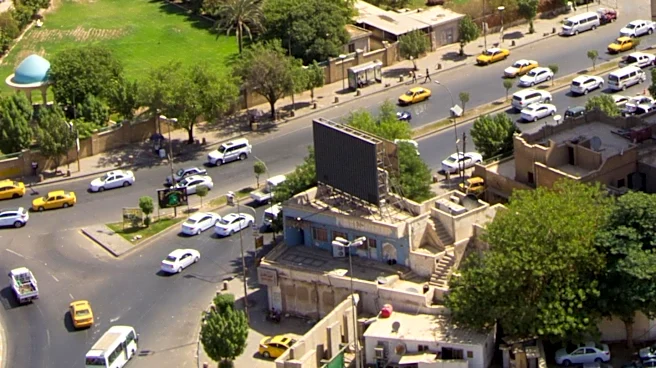




Tehran Province, with the city of Tehran as its capital, stands as a pivotal region within Iran. It is one of the 31 provinces of the country and serves as the national capital's administrative center. Covering an area of 18,814 square kilometers (7,264 sq mi), the province is strategically located to the north of Iran's Central Plateau. Its significance was further recognized when it was made part of the First Region, with its secretariat in Tehran,
following the division of provinces into five regions for coordination and development purposes on June 22, 2014.
Economic and Industrial Leadership
Tehran Province is unequivocally the wealthiest province in Iran, playing a crucial role in the nation's economy. It contributes approximately 29% of the country's gross domestic product (GDP), highlighting its economic might. The province is also Iran's most industrialized, housing over 17,000 industrial units that employ 390,000 people, representing 26% of all industrial units nationwide. This industrial concentration underscores its importance as a manufacturing and production hub. Furthermore, Tehran Province accounts for 30% of Iran's economy and a substantial 40% of its consumer market, making it a central point for commerce and trade.
To support its vast population and industrial activities, the province relies on significant water resources. It contains three hydrodams—Latiyan, Lar, and Amir Kabir—along with two natural lakes, which collectively provide the water supply for both Tehran city and the wider province. Beyond industry, the province also boasts 170 mines, over 330 square kilometers of forests, and more than 12,800 square kilometers of pasture, indicating a diverse economic base.
Demographics and Urbanization
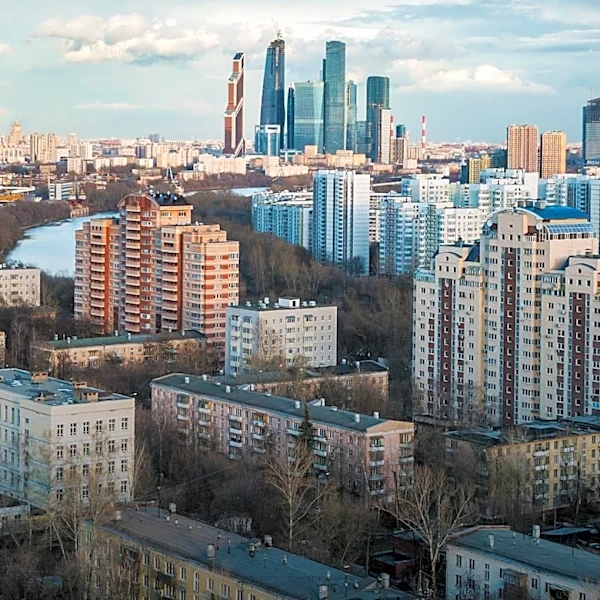
Tehran Province is Iran's most populous province, with over 12 million inhabitants, making it the most densely populated region in the country, with a density of 969 people per square kilometer. A striking characteristic of its population is the high degree of urbanization; approximately 86.5 percent of residents live in urban areas, while only 13.5 percent reside in rural areas, as of 2016. This high level of urbanization is largely driven by the presence of Tehran city, which, with a population of 8 million, is ranked among the 40 most populous metropolitan cities globally.
The province gained significant importance when the Qajar dynasty proclaimed Tehran as the capital in 1778. This historical decision set the stage for its future growth and development into the economic and demographic powerhouse it is today. The largest rivers flowing through the province are the Karaj River and the Jajrood River, which are vital for the region's water supply and ecological balance.