







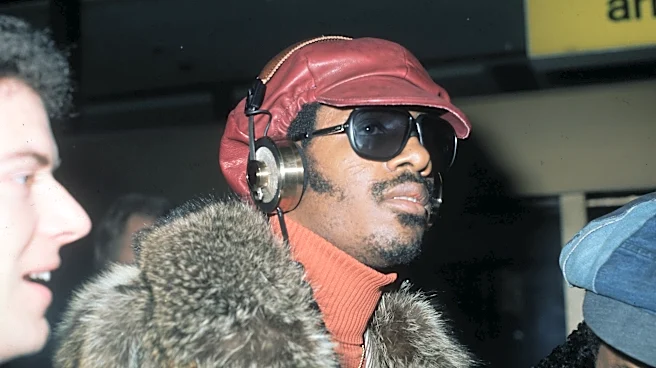

Stevie Wonder's 1976 album, *Songs in the Key of Life*, is widely regarded as a pinnacle of his artistic output. However, the creation of this ambitious double LP with a bonus EP was not a straightforward path. It emerged from a period of intense creativity and significant career decisions for Wonder, following a string of critically acclaimed albums that had already established him as a global superstar. The album's recording process, spanning multiple
iconic studios, and the groundbreaking contract that preceded it, all contributed to the legendary status it holds today.
A Pivotal Career Moment and Unprecedented Contract
By the mid-1970s, Stevie Wonder was already a dominant force in R&B and pop music, both in the United States and internationally. His previous albums, including *Talking Book* (1972), *Innervisions* (1973), and *Fulfillingness' First Finale* (1974), had earned him critical accolades, with the latter two winning the Grammy Award for Album of the Year. Despite this success, Wonder seriously considered leaving the music industry in March 1975 to emigrate to Ghana and work with children with disabilities.
Preparations for a farewell concert were already underway when Wonder ultimately changed his mind. On August 5, 1975, he signed a new contract with Motown, a deal that would prove to be historic. This agreement stipulated the release of seven albums over seven years, granting Wonder full artistic control. Crucially, it included an advance of 13 million dollars, a potential bonus of up to 20 million, 20% royalties, and ownership rights to his publishing. At the time, this was the largest recording deal in history, providing Wonder with unparalleled creative freedom and financial security to embark on his next musical endeavor.
The Recording Process Across Iconic Studios
With his new contract secured and artistic vision clear, Wonder began the extensive recording sessions for *Songs in the Key of Life*. The album was primarily recorded at Crystal Sound Studio in Hollywood, a key location for its development. However, the creative process also took Wonder to other renowned studios, reflecting the album's expansive nature and the diverse sounds it would encompass.
Additional sessions were held at Record Plant in Los Angeles and Sausalito, as well as at The Hit Factory in New York. This multi-location approach allowed for a rich tapestry of musical contributions and engineering expertise. The final mixing of the album was completed back at Crystal Sound, bringing together all the elements into the cohesive and groundbreaking work that would become *Songs in the Key of Life*. This meticulous and widespread recording effort was essential in crafting an album that music critics would later hail as the pinnacle of Wonder's classic period.