





Walt Disney's vision for a futuristic city, known as Progress City, was a bold and innovative concept that eventually evolved into Epcot Center. This transformation from a utopian city to a theme park reflects both the challenges and the enduring spirit of Disney's original idea. Understanding this journey offers insight into how Epcot Center came to be and the legacy of Disney's imagination.
The Original Vision
Progress City was conceived by Walt Disney in the 1960s
as a model city of the future. It was intended to be a living laboratory where 20,000 residents would experience the latest in technology and urban planning. The city was designed with a radial plan, featuring an urban center surrounded by residential and industrial areas, all connected by monorail and PeopleMover lines. This innovative design aimed to keep automobile traffic underground, ensuring pedestrian safety and creating a more pleasant urban environment.
Disney's vision for Progress City was ambitious, aiming to showcase the ingenuity and imagination of American industry. He saw it as a community that would never be completed, always evolving with new materials and systems. This concept was deeply influenced by modernist ideas and the work of British planner Ebenezer Howard, who advocated for garden cities that combined the best of urban and rural living.
Challenges and Shifts
Despite Walt Disney's enthusiasm, the realization of Progress City faced significant challenges. After Disney's death in 1966, the company struggled with the practicality of running a city without his guidance. The original plans for the park showed indecision over its purpose, with some wanting to focus on emerging technologies and others on international cultures.
Ultimately, the company decided to pivot from the idea of a city to a theme park. This decision was influenced by the need to secure funding and permission to develop the Florida property, which required the construction of the Magic Kingdom first. The concept of Progress City was adapted into Epcot Center, a theme park that retained the spirit of Disney's vision while being more feasible to manage.
The Birth of Epcot Center
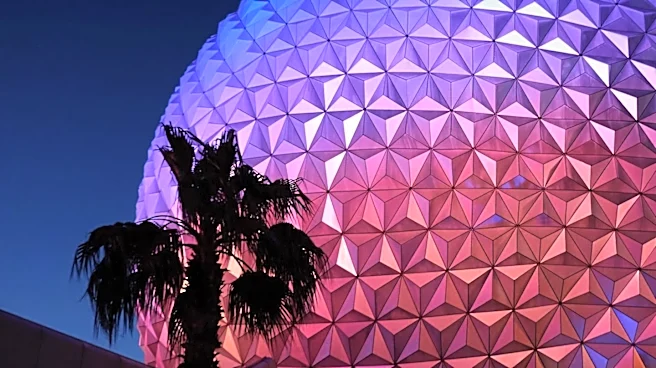
Epcot Center officially opened on October 1, 1982, as a theme park that embodied the core ideals of Progress City. It was divided into two main areas: Future World, which focused on modern innovation and educational entertainment, and World Showcase, which celebrated the diversity of cultures from around the world. This structure allowed Epcot Center to fulfill Disney's vision of a place that showcased the potential of technology and the richness of human culture.
The transformation from Progress City to Epcot Center highlights the adaptability and resilience of Disney's vision. While the original concept of a futuristic city was never realized, its influence is evident in the design and purpose of Epcot Center. The park continues to evolve, reflecting the ongoing legacy of Walt Disney's imagination and his belief in the power of innovation to shape the future.