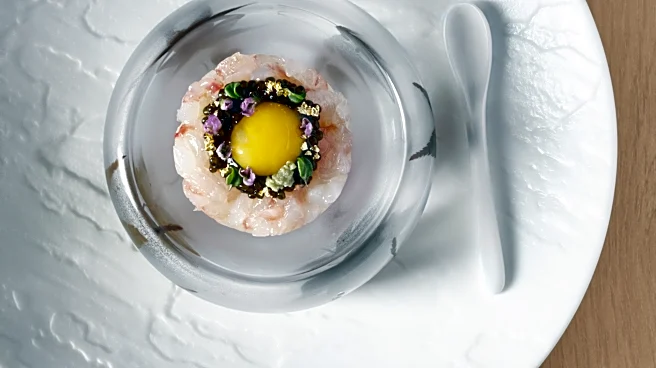








In the world of Japanese cuisine, the preparation of sashimi is an art that requires not only skill but also the right tools. Sashimi bōchō, or sashimi knives, are essential for achieving the delicate slices that define this dish. These knives are crafted with precision and are a testament to the importance of tools in culinary arts.
Types of Sashimi Knives
Sashimi knives come in various types, each designed for specific tasks in the preparation of raw fish. The yanagi-ba,
or "willow blade," is one of the most common types, known for its long, thin blade that allows for clean, precise cuts. Another type is the tako-hiki, or "octopus-puller," which is used for slicing octopus and squid.
For slicing fugu, a type of pufferfish, chefs use the fugu-hiki knife. This knife is similar to the yanagi-ba but features a thinner and more flexible blade, allowing for the extremely thin slices required for fugu sashimi. The specialized nature of these knives underscores the importance of precision in sashimi preparation.
Craftsmanship and Technique
The craftsmanship of sashimi knives is rooted in traditional Japanese practices. These knives are typically sharpened with a single-bevel edge, known as kataba, which allows for better cuts and thinner slices. The highest quality kataba blades have a slight depression on the flat side, enhancing their cutting ability.
Using a sashimi knife requires skill, as the single-bevel edge demands careful handling to achieve the desired slices. The length of the knife, usually between 25 cm and 35 cm, is suitable for filleting medium-sized fish. For larger fish, specialized commercial knives like the maguro bōchō are used, showcasing the adaptability of Japanese knife-making.
Significance in Culinary Arts
Sashimi knives are more than just tools; they are integral to the culinary arts in Japan. The precision and care required in using these knives reflect the broader values of Japanese cuisine, where attention to detail and respect for ingredients are paramount.
The use of sashimi knives is a skill passed down through generations, with chefs honing their techniques to achieve the perfect slice. This dedication to craftsmanship ensures that sashimi remains a celebrated dish, both in Japan and around the world, highlighting the enduring legacy of Japanese culinary arts.