


Powerlifting is a strength sport that centers on achieving maximum strength in three specific lifts: the squat, the bench press, and the deadlift. Unlike other weightlifting disciplines that might focus on dynamic movements or overall physique, powerlifting is a pure test of raw strength in these three fundamental exercises. The sport has a global presence, with its international governance provided by the International Powerlifting Federation. While
it demands immense physical prowess and dedication, powerlifting is not currently recognized as an Olympic sport, though it does hold Paralympic recognition, highlighting its inclusivity and competitive spirit across different athletic populations.
The Three Pillars of Powerlifting
The squat is one of the foundational movements in powerlifting, requiring the lifter to descend into a squat position with a barbell across their upper back and then return to a standing position. This exercise tests the strength of the legs, glutes, and core. The progression of the squat world record is a testament to the continuous push for greater strength and human potential within the sport. Variations of the squat, such as the Smolov Squat Routine, are often employed by lifters to build strength and overcome plateaus, demonstrating the structured and scientific approach many athletes take to their training.The bench press is another critical lift, performed lying on a bench while pressing a barbell upwards from the chest. This exercise primarily targets the chest, shoulders, and triceps. The progression of the bench press world record showcases the incredible upper body strength achieved by powerlifters. Specialized equipment like the bench shirt can be used in equipped powerlifting categories to assist with the lift, storing elastic energy that aids in pressing the weight. This distinction between raw and equipped lifting allows for different competitive avenues within the sport, catering to various preferences and training philosophies.
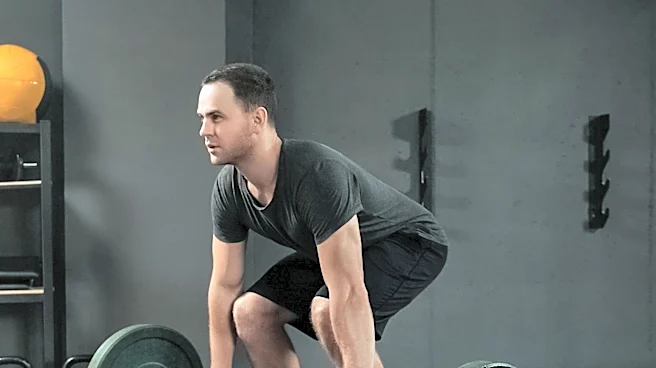
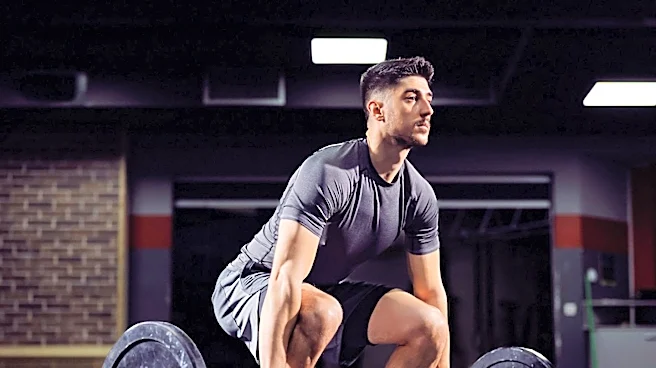
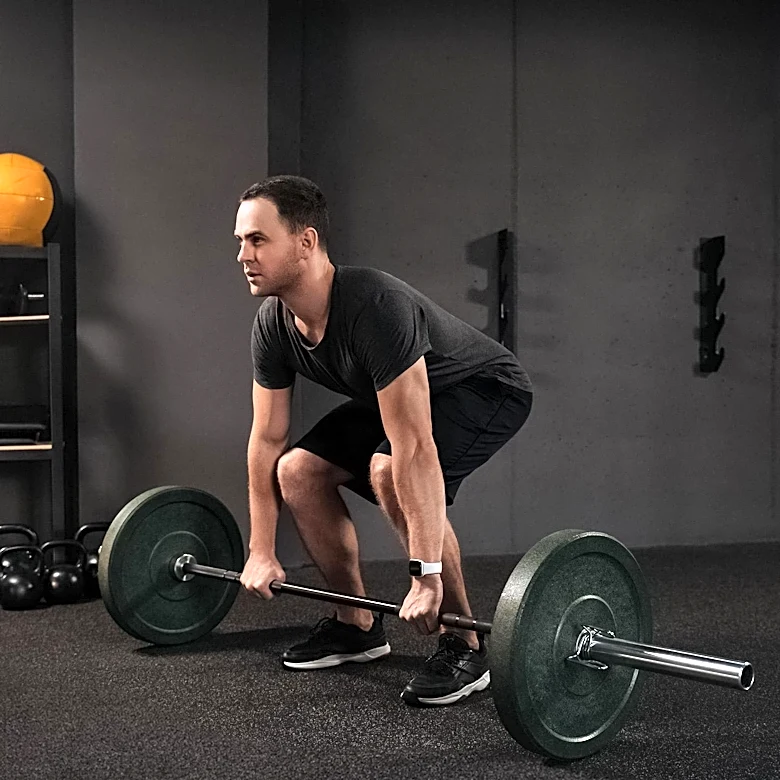
The deadlift, often considered the ultimate test of strength, involves lifting a loaded barbell from the floor to a standing position. This full-body exercise engages numerous muscle groups, including the back, legs, and grip. There are two main styles commonly used in competition: the conventional deadlift and the sumo deadlift. The progression of the deadlift world record highlights the extraordinary feats of strength in this lift, with some athletes even breaking the 1000lb barrier. The Indian Powerlifting Federation and the Armenian Powerlifting Federation are examples of national bodies that oversee and promote powerlifting within their respective countries, fostering talent and organizing competitions.
Global Reach and Competitive Structure
The International Powerlifting Federation (IPF) serves as the highest governing body for powerlifting worldwide. This organization plays a crucial role in standardizing rules, sanctioning international competitions, and promoting the sport globally. The IPF's history includes significant events like the 1975 World Congress and Championships, which helped shape the sport's development. Beyond the IPF, other organizations like the World Drug-Free Powerlifting Federation and the World Powerlifting Congress also exist, offering different competitive environments and rulesets, sometimes with varying stances on drug testing and equipment use.National federations, such as USA Powerlifting, Powerlifting Australia, and Powerlifting Singapore, operate under the umbrella of international bodies or as independent entities, organizing local and national competitions. These federations are vital for developing athletes from grassroots levels to elite competitors. The sport also recognizes specific achievements, such as national deadlift record holders, celebrating individual strength milestones. The Wilks coefficient is a formula used in powerlifting to compare the strength of lifters across different body weights, allowing for a fair comparison of relative strength, which is particularly useful in competitions where weight classes might not be strictly adhered to or for determining overall best lifters.