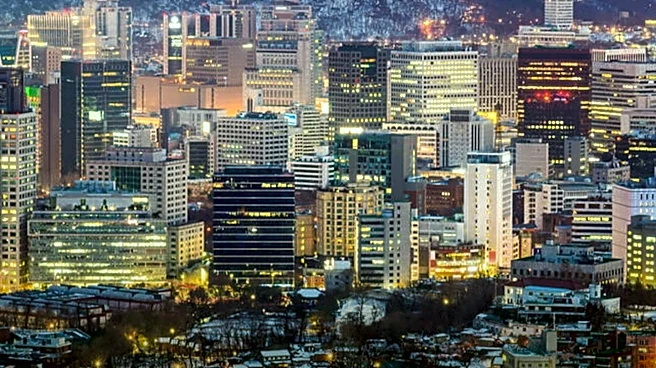





Seoul, the vibrant capital of South Korea, experiences a diverse climate characterized by distinct seasonal variations. The city's climate plays a significant role in shaping the daily lives of its residents and the overall atmosphere of the metropolis. This article delves into the unique climate patterns of Seoul, highlighting the contrasts between its seasons and their impact on the city.
Seasonal Temperature Variations
Seoul's climate is marked by significant temperature variations
throughout the year. The average annual temperature is 12.8°C, with January being the coldest month at -1.9°C and August the hottest at 26.1°C. This wide temperature range of 28.0°C reflects the city's humid continental climate, which brings cold winters and hot, humid summers.
The cold winters in Seoul are characterized by frosty mornings and occasional snowfall, creating a picturesque winter landscape. In contrast, the hot and humid summers bring sweltering heat, with temperatures often soaring above 30°C. These seasonal extremes require residents to adapt their lifestyles, from bundling up in winter coats to seeking shade and air conditioning during the summer months.
Precipitation Patterns
Seoul's precipitation patterns further illustrate the city's climatic contrasts. The average annual precipitation is 1417.9mm, with the majority falling during the summer months. July is the wettest month, receiving 414.4mm of rain, while January is the driest with just 16.8mm.
The summer monsoon season, known as "jangma," brings heavy rainfall and occasional typhoons, which can lead to flooding and disruptions in daily life. In contrast, the winter months are relatively dry, with minimal precipitation. This seasonal distribution of rainfall highlights the challenges faced by the city in managing water resources and infrastructure.
Wind and Humidity
Wind and humidity levels in Seoul also vary with the seasons. The average annual wind speed is 2.3 m/s, with the highest speeds recorded in March and April. The city's relative humidity averages 61.8% annually, peaking at 76.2% in July and dropping to 54.6% in February and March.
The high humidity levels in summer contribute to the discomfort of the hot season, while the drier air in winter can lead to respiratory issues and dry skin. These climatic factors influence the daily lives of Seoul's residents, from their choice of clothing to their health and well-being.