



Lockets, as pendants designed to open and hold small, personal items, have a rich history intertwined with human sentiment and cultural practices. From their use in commemorating significant life events to their role in expressions of mourning, these unique pieces of jewelry have served as tangible links to memories and loved ones across different eras. Their evolution reflects changing social customs and technological advancements, yet their core
purpose as a vessel for cherished keepsakes has remained constant.
Victorian Era: Mourning and Mementos
The Victorian Era marked a particularly significant period for lockets, especially in the context of mourning. During this time, lockets became a prominent form of mourning jewelry, often replacing earlier traditions like mourning rings. Around 1860, the shift towards memento lockets provided a new way for individuals to carry a tangible reminder of the deceased. These lockets frequently contained a lock of hair or a miniature portrait of the departed, allowing the wearer to keep their memory physically close.
Funerals were among the special occasions when lockets were commonly given as gifts, underscoring their role in processing grief and preserving remembrance. The practice of wearing a locket with a loved one's image or hair was a deeply personal and public declaration of sorrow and enduring affection. This era solidified the locket's image as a deeply personal and emotionally charged item, far more than just a decorative accessory.
Beyond Mourning: Celebrations and Personal Connections
While mourning was a significant aspect of locket use in the Victorian Age, their purpose extended to celebrating life's joyous occasions as well. Lockets are traditionally given as gifts during holidays and other special events such, as Valentine's Day, christenings, and weddings. These gifts often symbolize love, commitment, and new beginnings, with the locket holding a photograph of the giver or a shared memory.
The ability of a locket to hold a photograph of the person who gave it creates a continuous, intimate connection between individuals. This practice reinforces the locket's role as a symbol of personal bonds and affection. Whether commemorating a birth, a union, or a romantic gesture, lockets have consistently served as a means to encapsulate and carry precious moments and relationships.
Diverse Forms and Functional Innovations
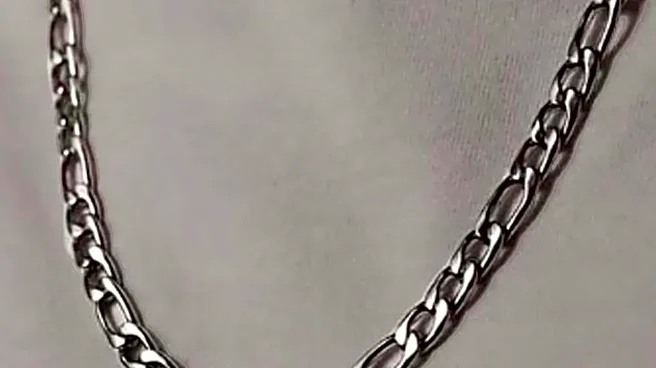
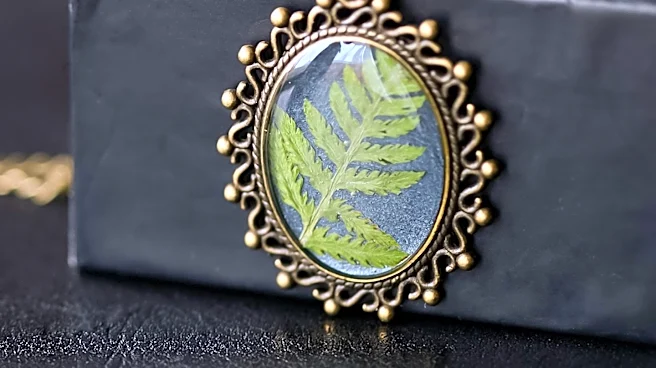
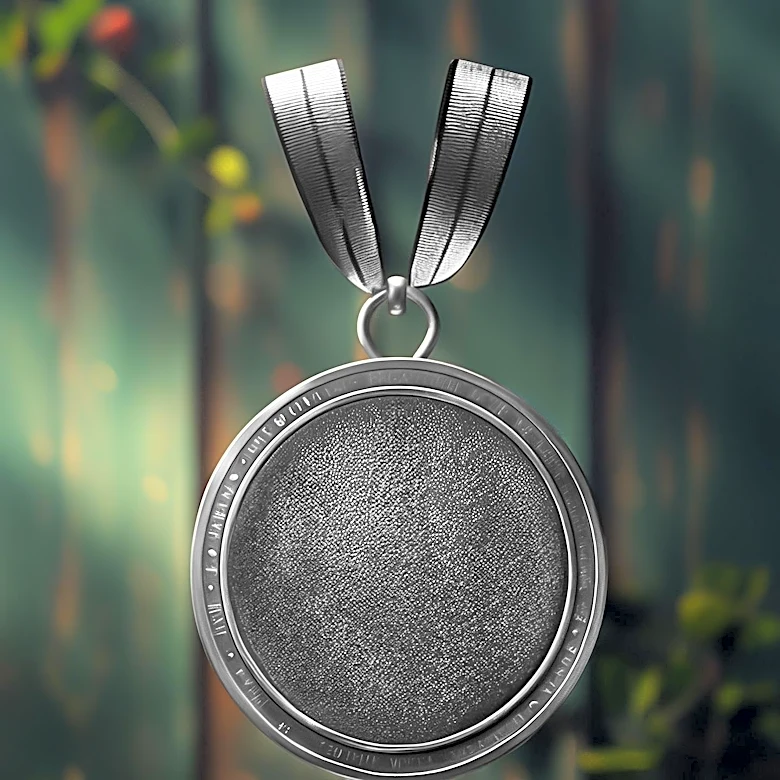
Throughout history, lockets have appeared in various forms and with different functionalities. They are typically worn on chains around the neck but can also be part of a charm bracelet. Their shapes range from traditional ovals and circles to more intricate hearts and prisms, often crafted from precious metals like gold or silver, reflecting their value as decorative jewelry. Historically, many lockets opened to reveal a portrait miniature, a common art form before the widespread availability of photography.
Innovations in locket design also emerged to suit specific needs. Keepsake lockets, for example, sometimes feature a glass pane at the front, allowing the contents to be seen without opening the locket. This design is particularly practical for delicate items like locks of hair, which could be lost if the locket were frequently opened. Another specialized type, the perfume locket, often had a filigree style with a small cushion inside to hold a few drops of fragrance. These were popular in times when personal hygiene was more challenging, serving to mask odors. Even rare military uniform locket buttons from World War I and World War II have been discovered, containing miniature working compasses, demonstrating the locket's adaptability beyond purely sentimental uses.