






Retailers play a crucial role in the supply chain, acting as the final link between manufacturers and consumers. They purchase goods in large quantities from manufacturers or wholesalers and sell them in smaller quantities to end-users. This article explores the functions of retailers within the supply chain and how they contribute to the overall process of getting products to consumers.
Retailers as Intermediaries
Retailers serve as intermediaries in the supply chain, bridging
the gap between producers and consumers. They purchase products in bulk from manufacturers or wholesalers, which allows them to negotiate better prices due to the volume of their purchases. This bulk buying is essential for manufacturers, as it ensures a steady demand for their products and helps them manage production schedules more efficiently.
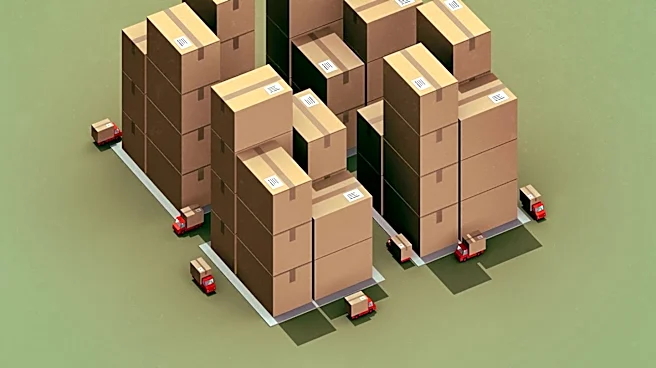
By breaking down large quantities into smaller, more manageable units, retailers make it easier for consumers to purchase goods. This process not only facilitates the distribution of products but also helps in maintaining a balance between supply and demand. Retailers' ability to predict consumer needs and adjust their inventory accordingly is a vital aspect of their role in the supply chain.
Retailers and Consumer Access
Retailers provide consumers with access to a wide range of products in convenient locations. Whether through physical stores, markets, or online platforms, retailers ensure that consumers can easily find and purchase the goods they need. This accessibility is a key factor in the success of the retail industry, as it directly impacts consumer satisfaction and loyalty.
In addition to providing access, retailers also offer various services that enhance the shopping experience. These services may include delivery options, customer support, and after-sales services, all of which contribute to a positive consumer experience. By offering these services, retailers not only meet consumer expectations but also differentiate themselves from competitors.
The Impact of Retailers on the Economy
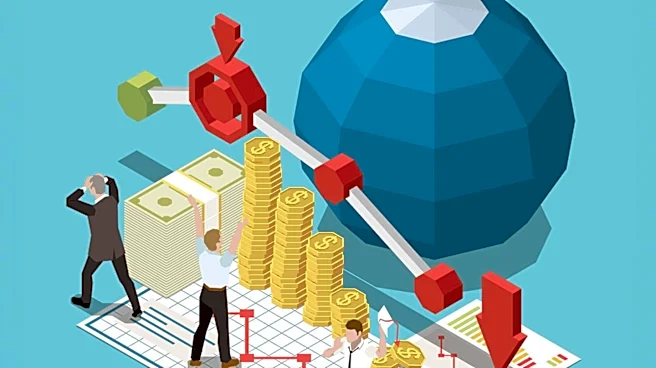
Retailers significantly impact the economy by creating jobs and contributing to economic growth. As part of the supply chain, they support various industries, including manufacturing, logistics, and marketing. The retail sector's ability to adapt to changing consumer preferences and market trends is crucial for sustaining economic development.
Moreover, retailers play a role in shaping consumer behavior and preferences. Through marketing strategies and promotions, they influence purchasing decisions and drive demand for specific products. This influence extends beyond individual consumers, as retailers also cater to business customers, further expanding their reach and impact on the economy.
In conclusion, retailers are an integral part of the supply chain, facilitating the flow of goods from manufacturers to consumers. Their role as intermediaries, providers of consumer access, and economic contributors highlights their importance in the overall supply chain process.