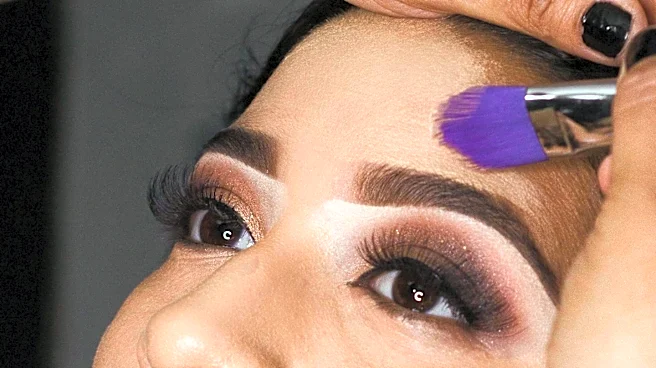









While permanent makeup offers long-lasting cosmetic enhancements and solutions for various medical conditions, it is not without potential risks and complications. Like any procedure involving skin penetration and the introduction of foreign substances, cosmetic tattooing carries a range of adverse effects, from minor irritations to more serious health concerns. Understanding these potential issues, along with the regulatory landscape governing the practice,
is crucial for anyone considering permanent makeup.
Common and Serious Adverse Effects
Studies on permanent makeup complications have identified itching, redness, and occasional swelling as the most common side effects. These typically resolve within a few days. However, more serious complications, though uncommon, can occur. These include allergic reactions to the pigments used, infections, the formation of granulomas (small areas of inflammation), keloids (raised scars), bleeding, crusting, loss of eyelashes, or general damage to the tattooed area.
Maintaining sterile conditions during application is paramount, and properly trained technicians are expected to adhere to these standards. Nevertheless, the use of unsterilized tattooing instruments poses a significant risk, potentially transmitting serious diseases such as HIV and hepatitis to the patient. These risks underscore the importance of choosing a qualified and reputable technician who follows strict hygiene protocols.
Pigment Quality and Regulatory Gaps
In the United States, the inks used in permanent makeup are subject to approval as cosmetics by the Food and Drug Administration (FDA). However, despite this oversight, there are notable gaps in regulation. While certain pigments lack FDA approval for use in permanent cosmetics, competing public health priorities and a perceived lack of widespread safety problems have led to loose regulations regarding the types of color pigments tattoo inks can contain. This means there is often little regulation on the specific inks used, with some pigments not approved for skin contact or refined only to an industrial-grade level, such as those found in printers' ink or automobile paint.
Poor quality pigments, those adulterated with heavy metals, or pigments with diamagnetic properties have been implicated in rare cases where individuals with permanent makeup reported swelling or burning in affected areas during magnetic resonance imaging (MRI) scans. While most such cases point to these pigment issues as causative factors, permanent makeup can also reportedly affect the quality of an MRI image. Complications can generally be avoided if medical professionals are informed about the permanent makeup prior to the scan.
Technician Skill and Pigment Migration
The skill and training of the tattooist are critical in preventing complications. If a technician lacks proper training, there is a risk of injecting the ink too deeply into the skin. This can cause the pigment to migrate into the surrounding tissue, resulting in a blurry appearance and a lack of definition, particularly for fine line work. Older patients may face an increased risk of pigment migration following permanent eyelash makeup due to lymphatic distribution, though this can often be avoided by not over-working swollen tissue during the application process.
Removing migrated pigment is a difficult and complicated process, highlighting the importance of preventing it from occurring in the first place. These potential issues emphasize the need for thorough research into both the procedure and the practitioner before undergoing permanent makeup application.