




The Red Fort, a historic Mughal fort in Old Delhi, India, has evolved into one of the city's most popular tourist destinations, attracting thousands of visitors annually. Beyond its historical significance, the fort serves as a vibrant cultural hub, housing several museums and galleries that narrate different facets of Indian history and art. Its status as a monument of national importance is underscored by the annual Independence Day celebrations,
where the Prime Minister hoists the national flag and delivers a nationally broadcast address from its ramparts.
Museums and Cultural Offerings
In the 21st century, the Red Fort complex has seen the addition of several new museums and galleries. Four of these, inaugurated in 2019, are located in colonial-era barracks. Barrack B1 is dedicated to the 1857 War of Independence, Barrack B2 commemorates the Jallianwala Bagh massacre, and Barrack B3 focuses on Subhas Chandra Bose and the Indian National Army movement. Barrack B4, known as Drishyakala, is a collaboration between the Archaeological Survey of India and the Delhi Art Gallery, showcasing Indian art. These new establishments have absorbed exhibits from earlier museums, such as the Indian Freedom Fighters' Museum, the Mumtaz Mahal Museum, and the Naubat Khana Museum.Beyond these, the complex also features a museum of "blood paintings" that tell the stories of 20th-century Indian martyrs, an archaeological museum, and an Indian war-memorial museum. While some structures like the mosque and hammam are closed to visitors, they can still be viewed through glass windows or marble latticework. The Lahori Gate, the main entrance, leads to a shopping area with jewelry and craft stores, further enhancing the visitor experience.
Preservation Status and Modern Issues
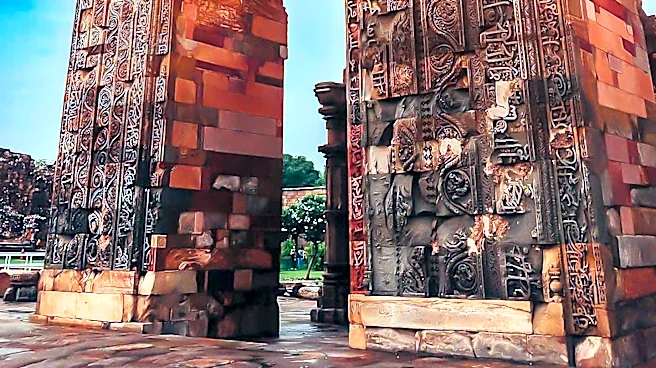
The Red Fort's architectural features are in varying states of preservation. While some elements retain their original decorative details, others have suffered significant damage, with inlaid marble floral designs removed by looters. The once-extensive water features are now dry. The tea house, though not historically preserved, functions as a working restaurant, and public toilets are available. Walkways within the complex are deteriorating, highlighting ongoing preservation challenges.In April 2018, the Dalmia Group adopted the Red Fort for maintenance, development, and operations under the government's "Adopt A Heritage" scheme, a contract worth ₹25 crores for five years. This move sparked widespread debate and criticism from the public, historians, and political parties, leading to the trending hashtag #IndiaOnSale on Twitter. The Indian National Congress demanded a suspension of the agreement for an impartial review.