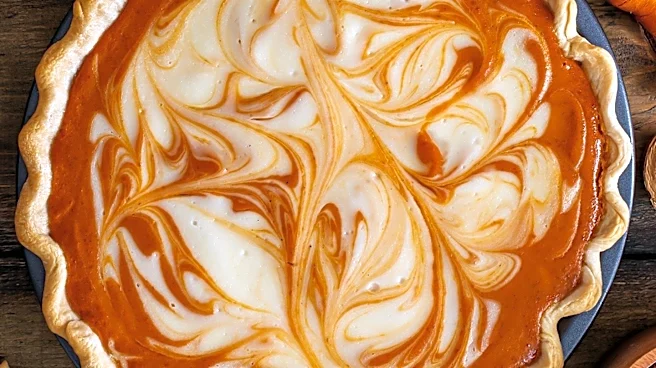









Pumpkin pie holds a special place in the hearts and homes of many North Americans, particularly during the Thanksgiving holiday. This dessert, with its spiced pumpkin filling, is a staple on tables across the United States and Canada. The pie's popularity is not just about its taste but also its cultural and historical significance.
A Thanksgiving Tradition
Pumpkin pie is synonymous with Thanksgiving, a holiday celebrated in both the United States and Canada. This tradition
dates back to the early settlers who found pumpkins to be a versatile and abundant food source. The pie's association with Thanksgiving is deeply rooted in the harvest season, symbolizing abundance and gratitude. The spices used in pumpkin pie, such as cinnamon, nutmeg, ginger, and cloves, add warmth and depth to the dessert, making it a comforting choice for the holiday.
In the United States, Thanksgiving is a time for family gatherings and feasting, with pumpkin pie often serving as the grand finale to the meal. In Canada, Thanksgiving is celebrated in October, and pumpkin pie is equally cherished. The pie's presence on the Thanksgiving table is a nod to the historical significance of pumpkins in North American agriculture and cuisine.
The Role of Pumpkins in North American Culture
Beyond the Thanksgiving table, pumpkins play a significant role in North American culture. They are a symbol of the autumn season and are often used as decorations. Pumpkins are carved into jack-o'-lanterns for Halloween, a tradition that originated from Irish immigrants who adapted their practice of carving turnips to the larger, more readily available pumpkins in America.
The use of pumpkins as decorations and in culinary dishes highlights their versatility and cultural importance. In addition to pies, pumpkins are used in soups, breads, and even beverages, showcasing their adaptability in various culinary traditions.
The Evolution of Pumpkin Pie
While pumpkin pie is a traditional dish, its preparation has evolved over time. Originally, pumpkins were hollowed out and filled with milk, spices, and honey before being baked in hot ashes. Today, the process is more refined, with canned pumpkin puree and pre-made pie crusts making the dessert more accessible to home cooks.
The evolution of pumpkin pie reflects broader changes in food production and consumption. The availability of canned pumpkin puree, often made from different pumpkin varieties than those used for decoration, has made it easier for people to enjoy this dessert year-round. Despite these changes, the essence of pumpkin pie remains the same, continuing to evoke feelings of warmth, family, and tradition.
Pumpkin pie's enduring popularity is a testament to its cultural significance and the role it plays in North American traditions. Whether enjoyed at Thanksgiving or any other time of the year, pumpkin pie remains a beloved dessert that connects people to their cultural heritage.