





Iceland, a Nordic island nation, boasts a rich cultural heritage that is deeply intertwined with its history and geography. From its ancient sagas to its modern-day traditions, Icelandic culture is a unique blend of Norse and Gaelic influences. This article delves into the cultural heritage of Iceland, exploring the traditions and influences that shape the identity of this remarkable nation.
The Influence of Norse and Gaelic Roots
Iceland's cultural heritage is rooted in its Norse and Gaelic
origins. The first settlers of Iceland were primarily Norsemen from Western Norway, who brought with them their language, customs, and beliefs. These settlers were accompanied by Gaelic thralls, or slaves, from Ireland and Scotland, who also contributed to the cultural tapestry of Iceland.
The Norse influence is evident in Iceland's language, literature, and mythology. Icelandic, the official language, is a North Germanic language that has preserved many elements of Old Norse. The sagas and eddas, written during the Middle Ages, are a testament to Iceland's rich literary tradition and continue to be celebrated as cultural treasures.
Icelandic Traditions and Celebrations
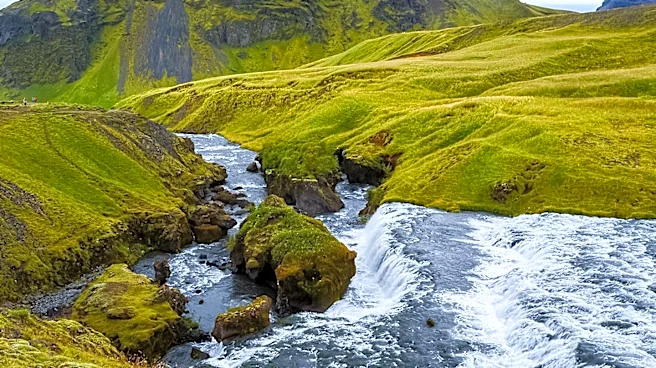
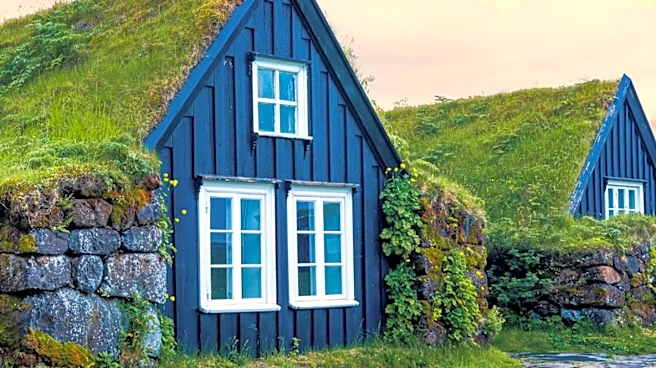
Icelandic culture is characterized by a strong sense of community and a deep connection to the land. Traditional Icelandic celebrations often revolve around the natural world and the changing seasons. For example, Þorrablót is a midwinter festival that honors the Norse gods and celebrates the resilience of the Icelandic people during the harsh winter months.
Another significant cultural event is the annual Alþingi, or parliament, which dates back to 930 CE. This gathering was a crucial part of Icelandic society, serving as a forum for legal disputes and decision-making. Today, the Alþingi continues to be a symbol of Iceland's democratic heritage and commitment to self-governance.
Modern Icelandic Culture
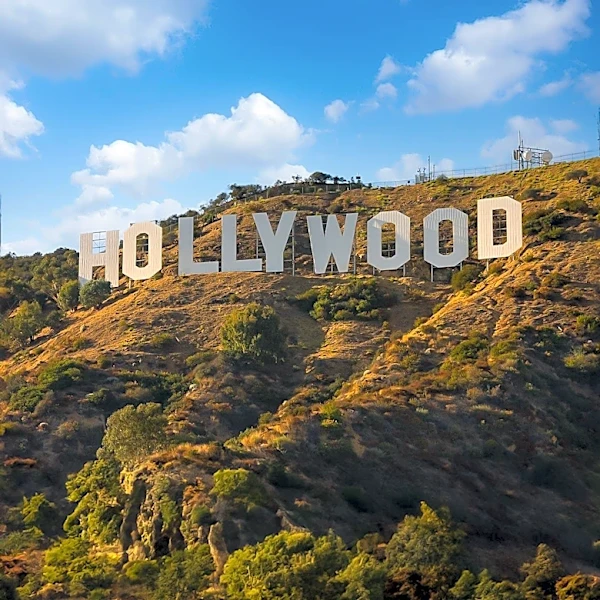
While Iceland's cultural heritage is deeply rooted in tradition, the country has also embraced modern influences. Iceland is known for its vibrant music scene, with artists like Björk and Sigur Rós gaining international acclaim. The country's unique landscapes have also inspired a thriving film industry, with Iceland serving as a backdrop for numerous Hollywood productions.
Iceland's commitment to preserving its cultural heritage is evident in its efforts to protect the Icelandic language and promote traditional arts and crafts. The Icelandic Naming Committee, for example, ensures that new names adhere to the linguistic and cultural norms of the country.
In conclusion, Iceland's cultural heritage is a rich tapestry of traditions and influences that continue to shape the nation's identity. From its Norse and Gaelic roots to its modern artistic expressions, Icelandic culture is a testament to the resilience and creativity of its people.