










Camelot, the musical based on the legend of King Arthur, has left a lasting cultural impact beyond the theater. Its association with the Kennedy era has cemented its place in American history, symbolizing a time of hope and idealism. This article examines the cultural significance of Camelot and its connection to the Kennedy presidency.
The Kennedy Era and Camelot
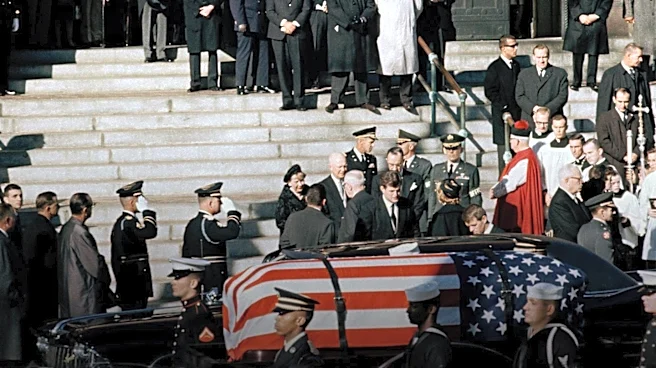
The association between Camelot and the Kennedy presidency began shortly after the assassination of President John
F. Kennedy in 1963. In an interview with Life magazine, Jackie Kennedy compared her husband's presidency to the mythical Camelot, referencing his fondness for the musical and its themes of idealism and hope. She specifically mentioned the closing lyrics of the final song, which speak of a "brief, shining moment" known as Camelot.
This comparison resonated with the public, who embraced the idea of the Kennedy administration as a modern-day Camelot. The image of a young, charismatic leader and his glamorous family captured the imagination of the American people, creating a lasting legacy that continues to influence perceptions of the Kennedy era.
Cultural Significance of Camelot
Camelot's cultural significance extends beyond its association with the Kennedys. The musical's themes of chivalry, honor, and idealism have universal appeal, resonating with audiences across generations. Its lush score and memorable songs have become classics, with "If Ever I Would Leave You" and "Camelot" remaining popular standards.
The musical's ability to adapt to changing times, as seen in its various revivals, speaks to its enduring relevance. Each production has brought new interpretations and updates, reflecting contemporary themes and societal changes. This adaptability has allowed Camelot to maintain its place in the cultural landscape, appealing to both traditionalists and modern audiences.
Legacy and Influence
Camelot's legacy is evident in its continued presence on Broadway and its influence on popular culture. The musical's association with the Kennedy era has become a part of American folklore, symbolizing a time of optimism and possibility. Its themes of idealism and hope continue to inspire, offering a vision of a better world.
As Camelot remains a beloved classic, its cultural impact endures, reminding us of the power of storytelling and the enduring appeal of timeless themes. The musical's connection to the Kennedy era serves as a poignant reminder of a "brief, shining moment" in American history, capturing the imagination of generations past and present.