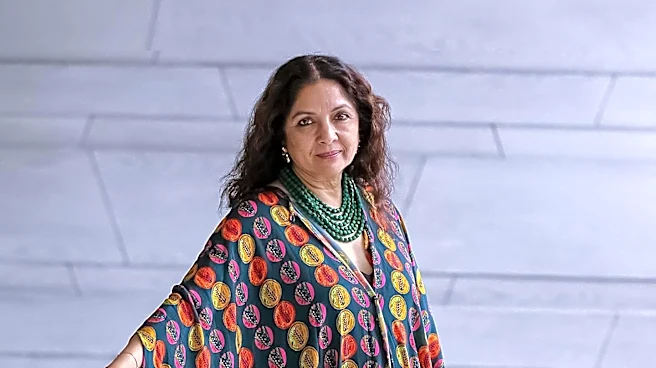

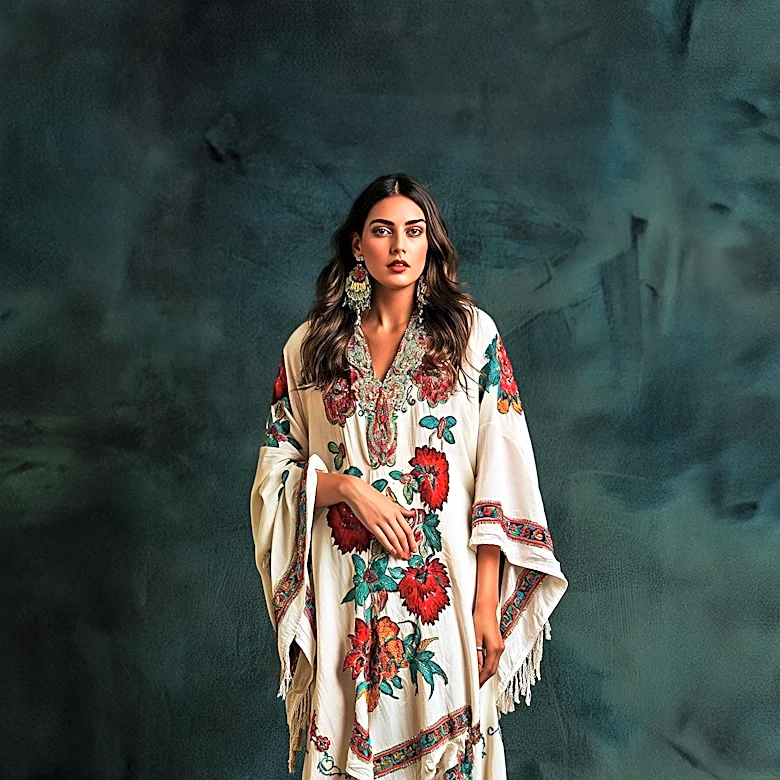


The kaftan, a garment with ancient origins in West Asia, has evolved into a multitude of styles and uses across different cultures and geographical regions. While its fundamental form as a robe or tunic remains consistent, the specific design, materials, and cultural significance of the kaftan vary dramatically from one part of the world to another. This adaptability has allowed the kaftan to become a truly global garment, reflecting local traditions
and needs.
West African Kaftans: Formal Wear and Cultural Identity
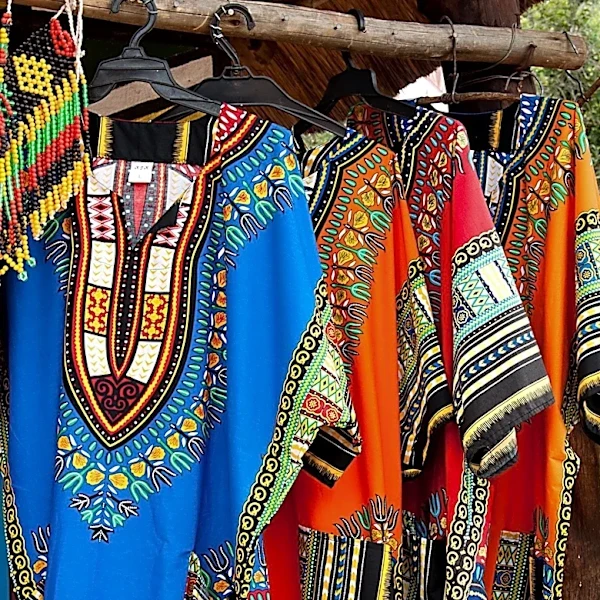
In West Africa, the kaftan holds a significant place, particularly as formal wear. The Senegalese kaftan, for men, is a distinctive pullover robe characterized by long, bell-like sleeves. This ankle-length garment is typically paired with matching drawstring pants, known as *tubay*, forming what is often called a kaftan suit. These suits are commonly made from cotton brocade, lace, or synthetic fabrics and are prevalent throughout West Africa. To complete the ensemble, a *kufi* cap is often worn. Senegalese kaftans are considered formal attire in all West African countries, worn for important events like naming ceremonies and weddings. In the United States, this style is even chosen by African-American grooms for weddings, alongside other traditional options.
It's important to note the distinction in West Africa: while men wear the Senegalese kaftan, the women's equivalent is also called a kaftan, or *mbubb* in Wolof and *boubou* in French. The formality of these garments often depends on the fabric used. Beyond the formal Senegalese style, other variations exist, such as the short-sleeved Maghrebi kaftan, also known as a *thobe*, *dishdasha*, or *jalabiyyah*. These are often used as pajamas or lounge wear, though some men wear them outside, typically over a t-shirt and pants. These informal kaftans are known by different names in the Maghreb region, such as *gandora* or *djellaba* in Morocco.
Russian and Middle Eastern Interpretations
Moving to North Asia and Eastern Europe, the kaftan takes on a different character in Russia. Here, the term "kaftan" refers to a specific style of men's long suit featuring tight sleeves. This Russian kaftan was a common form of outer-clothing among peasants and merchants in Old Russia during the 19th century. Its origins were likely influenced by Persian and/or Turkic peoples in Old Russia, with the word itself adopted from the Tatar language. Today, Russian kaftans are primarily used as ritual religious clothing by conservative Old Believers and are associated with Russian folk dress and folklore.
In the Middle East, particularly during the Ottoman Empire, kaftans were highly detailed and elaborately designed garments. They were often made of luxurious materials like satin, damask, velvet, and silk. These kaftans served as robes of honor, bestowed by the Ottoman Sultan upon important guests and officials. For example, the Dey of Algiers wore kaftans with dangling sleeves, while *khodjas* (secretaries) wore very long cloth-based kaftans falling to the ankles. The *chaouchs* (executors of justice) were identifiable by a green kaftan, with sleeve styles varying by rank. Persian kaftan robes of honor were specifically known as *khalat* or *kelat*, further illustrating the regional nuances in terminology and usage.