




Library circulation, the process of lending materials to users, has undergone significant transformations over time, adapting to new technologies and changing patron needs. While the core function of providing access to books and other resources remains constant, the methods and tools employed have evolved considerably. From early manual systems like the Browne Issue System to today's sophisticated digital platforms, the journey of library lending reflects
a continuous effort to enhance efficiency and user experience.
Historically, libraries relied on manual systems to track borrowed items. One notable example is the Browne Issue System, which involved the physical creation of "borrowers pockets." This system, while effective for its time, required meticulous manual record-keeping for each transaction. The process of lending materials, checking them in upon return, and monitoring for damage was labor-intensive, highlighting the significant administrative effort involved in managing a library's collection before the advent of modern technology.
The Rise of Circulation Technology
The late 20th and early 21st centuries brought about a revolution in library circulation with the introduction of advanced technology. Library circulation software became central to managing lending activities, automating many of the tasks previously performed manually. This software, often integrated with scanners and printers, streamlined the checkout and check-in processes, significantly reducing the time and effort required for each transaction.
Circulation staff now frequently troubleshoot these technological systems, ensuring that software, scanners, and printers operate smoothly. Their role has expanded to include adapting to new software and equipment, a testament to the ongoing technological advancements in library science. This shift from purely manual operations to technology-driven processes has not only improved efficiency but also allowed for more sophisticated data collection and analysis of library use.
Beyond Basic Lending: Data and Automation
Modern circulation departments leverage technology for more than just lending and returning items. They collect statistics on library use, including patron transactions and material checkouts. This data provides valuable insights into what materials are popular, how often they are used, and overall patron engagement, which can inform collection development and service planning. The ability to gather and analyze such statistics represents a significant leap from earlier manual record-keeping.
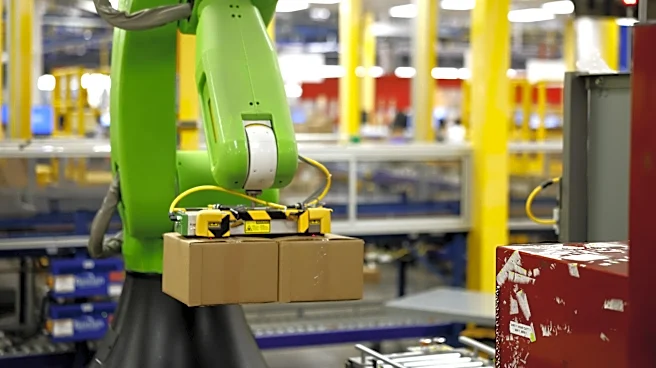
Furthermore, the operation of automated filing and recovery systems has become an integral part of contemporary library circulation. These systems enhance the efficiency of managing and retrieving materials, particularly in larger collections. The continuous adaptation to new software and equipment underscores the dynamic nature of library circulation, which constantly seeks to integrate the latest technological solutions to better serve its community. This evolution ensures that libraries remain relevant and accessible, providing timely access to information in an increasingly digital world.