


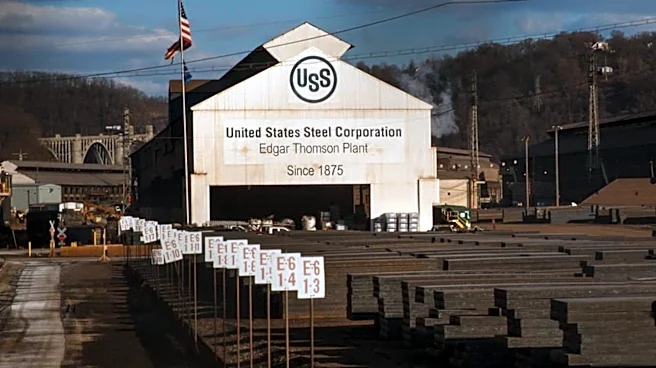


The 1948 Donora smog, often referred to as the Donora death fog, stands as a grim landmark in the history of environmental disasters in the United States. This catastrophic event, which unfolded over five days in Donora, Pennsylvania, exposed the deadly consequences of unchecked industrial air pollution and served as a critical catalyst for increased public awareness and scientific inquiry into environmental health. Occurring in a mill town heavily
reliant on its industrial plants, the smog brought into sharp focus the conflict between economic prosperity and public health, ultimately contributing to the nascent clean-air movement.
Industrial Emissions and Atmospheric Conditions
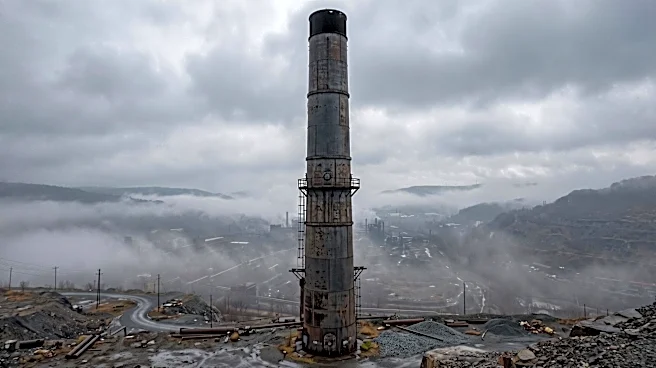
The immediate cause of the Donora smog was a lethal combination of industrial emissions and specific atmospheric conditions. U.S. Steel's Donora Zinc Works and its American Steel & Wire plant were significant sources of hydrogen fluoride and sulfur dioxide, pollutants that were frequently released into the air. While these emissions were a regular occurrence, the severity of the 1948 event was due to a prolonged atmospheric temperature inversion. This meteorological phenomenon traps a layer of colder air near the ground beneath warmer air aloft, effectively creating a lid that prevents pollutants from dispersing into the upper atmosphere.
During the five days from October 27 to October 31, 1948, these trapped industrial gases mixed with fog to form a thick, yellowish, acrid smog. The air became saturated with sulfuric acid, nitrogen dioxide, fluorine, and other poisonous gases. Researchers analyzing the event have largely attributed blame to pollutants from the zinc plant, noting that its emissions had already killed nearly all vegetation within a half-mile radius of the facility. Dr. Devra L. Davis, director of the Center for Environmental Oncology at the University of Pittsburgh Cancer Institute, later highlighted autopsy results showing fluorine levels in victims that were as much as 20 times higher than normal, indicating fluorine gas from the zinc smelting process as a primary cause of death.
Scientific Scrutiny and Lasting Impact
The Donora smog prompted significant scientific investigation into the health effects of air pollution. Mary Amdur, a scientist who conducted further research into the effects of the smog, faced pressure to withdraw her findings but steadfastly refused. Her work, along with that of others, contributed to a growing body of evidence linking industrial emissions to severe health outcomes. The incident underscored the need for rigorous scientific study and independent reporting on environmental hazards, even in the face of potential industrial opposition.
The disaster's impact extended far beyond Donora. Sixty years after the event, The New York Times described it as "one of the worst air pollution disasters in the nation's history." The tragedy made national headlines and brought the issue of air quality to the forefront of public consciousness. It is often credited with initiating the clean-air movement in the United States, culminating in landmark legislation such as the Clean Air Act. The Donora Smog Museum, established in 2008, now serves as a permanent educational institution, featuring archival materials that document the event and its profound influence on subsequent air quality standards enacted by the federal government. The museum, located in an old storefront in Donora, also partners with California University of Pennsylvania to develop a digital collection of primary sources, ensuring the lessons of 1948 continue to inform future generations.