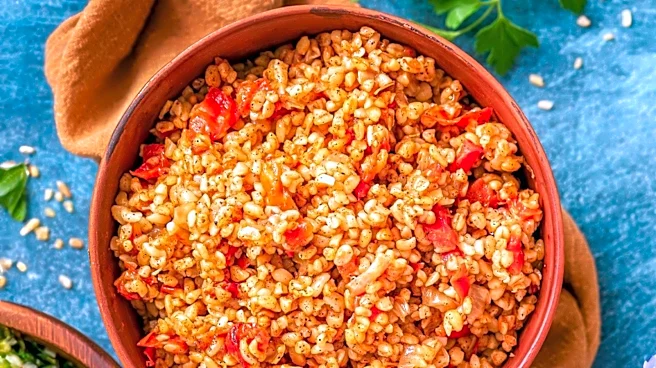










Bulgur, a cereal food made from parboiled, dried, and cracked wheat, holds a prominent place in the culinary traditions of numerous cultures around the world. With its light, nutty flavor and versatile nature, bulgur is not merely an ingredient but a foundational element in a wide array of dishes, from hearty main courses to refreshing salads and even breakfast cereals. Its adaptability has allowed it to be integrated into diverse cuisines, showcasing
its global appeal and enduring culinary significance.
A Staple in Middle Eastern and Mediterranean Kitchens
Bulgur is particularly common in the cuisines of West Asia and the Mediterranean Basin, where it has been a dietary staple for centuries. In Turkish, Arab (Levant), and Mediterranean cooking, bulgur is a go-to ingredient for its texture, flavor, and nutritional value. It is a primary component in some of the most iconic dishes from these regions. For instance, bulgur is famously used in taboulé, a vibrant salad typically featuring finely chopped parsley, tomatoes, mint, onion, and a dressing of olive oil and lemon juice. Its fine grains absorb the flavors beautifully, creating a refreshing and wholesome dish.
Another well-known application is in kibbeh, a dish popular across the Middle East. Kibbeh often involves a shell made from bulgur and ground meat, filled with a savory mixture of spiced meat and onions. The preparation of kibbeh varies regionally, highlighting bulgur's flexibility. In Cyprus, for example, a variety of kibbeh known as koupes are deep-fried, featuring a crust made of fine bulgur, flour, oil, salt, and egg, filled with ground meat, onions, parsley, and spices. These examples demonstrate how bulgur forms the structural and flavorful backbone of these traditional dishes.
Diverse Applications Across Different Cultures
Beyond the Middle East, bulgur's culinary journey extends to various other cultures, where it is adapted to local tastes and cooking methods. In India, bulgur takes on a different role, often prepared as a breakfast grain with milk and sugar. This sweet application contrasts with its more savory uses in other regions, illustrating its remarkable versatility. Its high nutritional value also makes it a good substitute for rice or couscous, allowing it to be incorporated into a broader range of meals as a wholesome alternative.
Armenian cuisine also features bulgur prominently. Armenians prepare bulgur as a pilaf, often cooked in chicken stock, sometimes with sautéed noodles. It can also be cooked with tomatoes, onions, herbs, and red pepper, creating flavorful and comforting dishes. Finely ground bulgur is used to make eetch, a salad similar to tabbouleh, further showcasing its adaptability to different textures and preparations. In Saudi Arabia, particularly in Nejd and Al-Hasa, a version of bulgur known as jarish is common, indicating its deep integration into local culinary identities.
Bulgur's Role in Modern Cooking
Bulgur's ease of preparation and nutritional benefits continue to make it a popular choice in modern cooking. It does not always require extensive cooking; often, soaking in water is sufficient, though it can be included in cooked dishes. This convenience, combined with its status as a whole grain recognized by the United States Department of Agriculture, makes it an attractive option for health-conscious consumers.
From pilafs and soups to baked goods and fillings, bulgur's applications are extensive. Coarse bulgur is typically used for pottages, while medium and fine grains are suitable for breakfast cereals, breads, and salads. Its ability to accompany other dishes in the same way as pasta or rice further solidifies its position as a versatile and valuable ingredient in kitchens worldwide, bridging ancient traditions with contemporary dietary needs.