



Babe Ruth, one of baseball's most iconic figures, faced a challenging battle with cancer in the final years of his life. Diagnosed with nasopharyngeal carcinoma in 1946, Ruth's health rapidly declined despite undergoing various treatments. His struggle with the disease and his eventual passing in 1948 marked the end of an era for baseball fans and the world at large.
Diagnosis and Initial Struggles
In 1946, Babe Ruth began experiencing severe pain over his left eye and had difficulty
swallowing. These symptoms led him to seek medical attention at French Hospital in New York, where doctors discovered an inoperable malignant tumor at the base of his skull and in his neck. The diagnosis was nasopharyngeal carcinoma, a type of throat cancer. This news was devastating for Ruth, who had been a larger-than-life figure both on and off the baseball field.
Despite the grim prognosis, Ruth's fame allowed him access to experimental treatments that were not widely available at the time. He underwent painful cancer therapies, including X-ray therapy and hormone injections, in an attempt to combat the disease. However, these treatments proved to be ineffective, and Ruth's health continued to deteriorate.
Experimental Treatments and Temporary Remission
As Ruth's condition worsened, doctors tried a new treatment called chemotherapy, making him one of the first cancer patients to receive sequential radiation and chemotherapy. This experimental approach initially showed promise, as Ruth's health temporarily improved. However, the remission was short-lived, and the cancer continued to spread.
Throughout this period, Ruth remained a public figure, making appearances and supporting American efforts in World War II. Despite his declining health, he continued to be a symbol of hope and resilience for many. His battle with cancer was a testament to his enduring spirit and determination.
The Final Days and Legacy
Babe Ruth passed away on August 16, 1948, at the age of 53. He died in his sleep at Memorial Hospital in New York City, surrounded by family and friends. His death marked the end of an era for baseball and left a lasting impact on the sport and its fans.
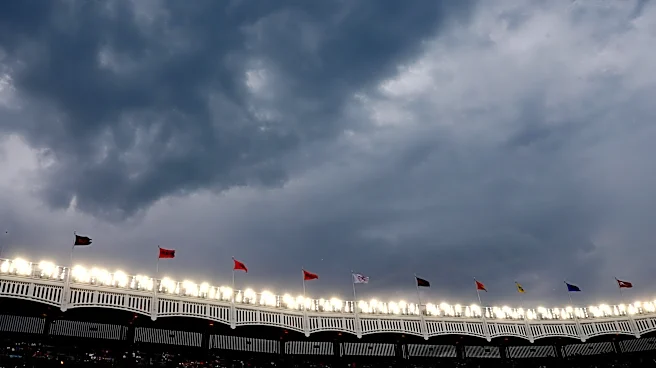
Ruth's body lay in state at Yankee Stadium, where thousands of fans came to pay their respects. His funeral was held at St. Patrick's Cathedral in New York, with an estimated 100,000 people lining the streets to honor the legendary player. Despite his passing, Babe Ruth's legacy continues to live on, both as a baseball icon and as a symbol of perseverance in the face of adversity.