
Duke Ellington's career spanned over five decades, during which he continually evolved as a musician and composer. Known for his innovative use of the orchestra and his ability to transcend musical categories,
Ellington's work remains influential in the world of jazz and beyond. This article explores the evolution of his music and his significant collaborations that enriched his artistic output.
The Role of Billy Strayhorn
A pivotal moment in Ellington's career was his collaboration with composer-arranger-pianist Billy Strayhorn, which began in the late 1930s. Strayhorn became Ellington's writing and arranging companion, contributing to the creation of numerous extended compositions and suites. This partnership was instrumental in pushing the boundaries of jazz composition and orchestration.
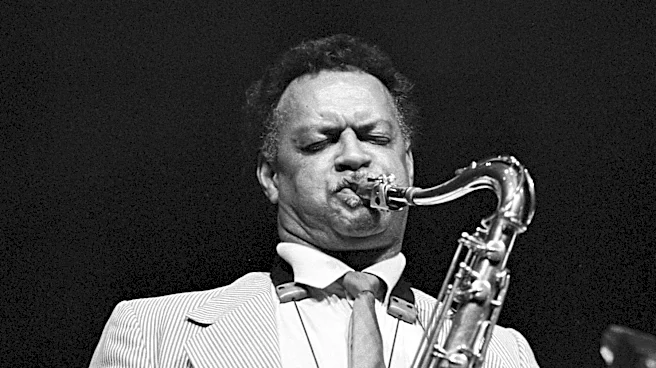
Together, Ellington and Strayhorn crafted a body of work that included both short pieces and ambitious suites, showcasing their ability to blend traditional jazz elements with more complex musical structures. This collaboration is often cited as a creative peak for Ellington's orchestra, particularly during the early years when bassist Jimmy Blanton and tenor saxophonist Ben Webster were part of the ensemble.
Revival and Global Tours
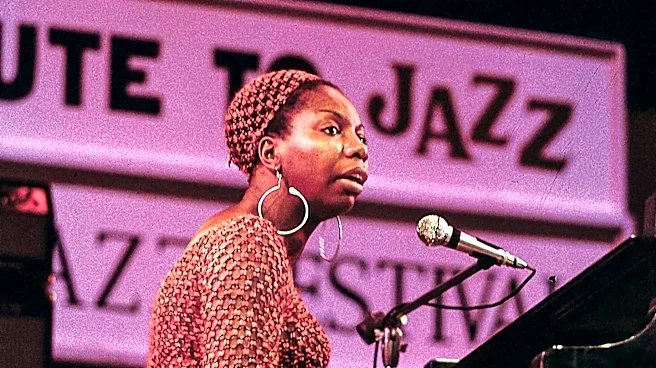
After a period of relative obscurity, Ellington's career experienced a revival following a performance at the Newport Jazz Festival in 1956. This event marked a turning point, leading to renewed interest in his music and a series of successful world tours. Ellington's ability to adapt and remain relevant in the changing musical landscape was a testament to his enduring talent and vision.
Throughout his career, Ellington recorded with most major American record companies and collaborated with a wide range of musicians. His willingness to work with artists from different backgrounds and styles enriched his music and expanded his audience. These collaborations not only highlighted his versatility but also reinforced his status as a leading figure in jazz.
Legacy and Influence
Ellington's influence extends beyond his compositions and performances. He was a pioneer in using the orchestra as a cohesive unit, rather than just a collection of individual musicians. His approach to orchestration and arrangement set new standards in jazz and inspired countless musicians and composers.
Ellington's legacy is also reflected in the numerous awards and honors he received, including a posthumous Pulitzer Prize Special Award for music in 1999. His work continues to be celebrated and studied, ensuring that his contributions to music remain a vital part of the cultural landscape.
In summary, Duke Ellington's musical evolution and collaborations were central to his success and lasting impact. His ability to innovate and adapt, combined with his collaborative spirit, solidified his place as one of America's most important composers.