


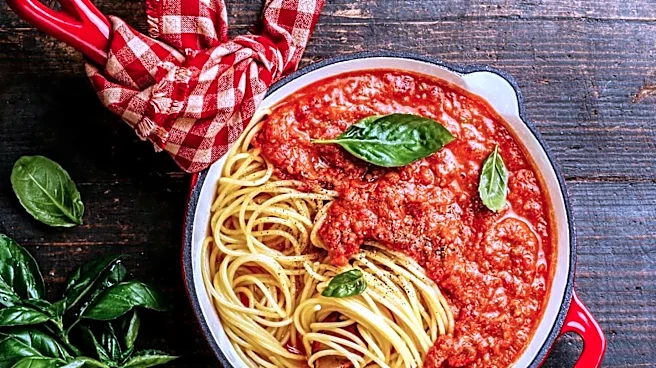




Spaghetti is more than just a type of pasta; it is a symbol of Italian culture and culinary tradition. Its presence in Italian cuisine reflects a blend of historical influences and modern innovations, making it a staple in households and restaurants across the country.
Cultural Significance
In Italy, spaghetti is a staple food that embodies the country's rich culinary heritage. It is often cooked al dente, meaning it is firm to the bite, a texture that is highly valued
in Italian cooking. This preference for al dente pasta highlights the importance of texture and quality in Italian cuisine.
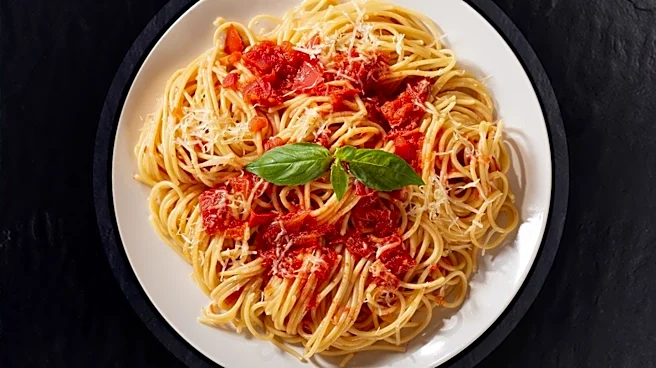
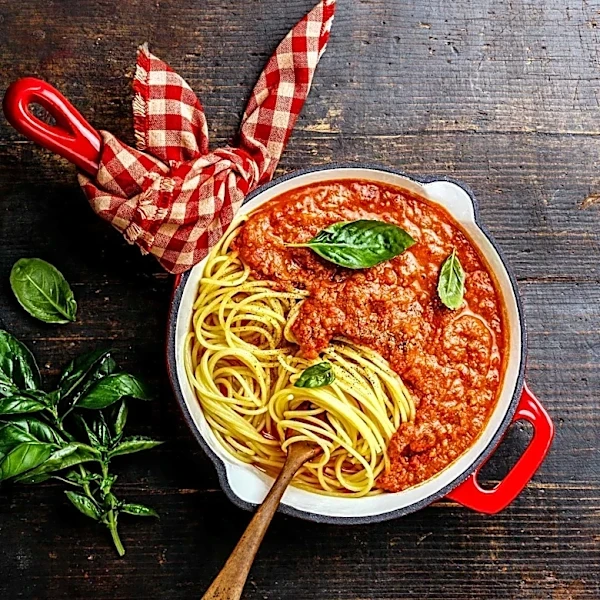
Spaghetti's versatility allows it to be paired with a variety of sauces and ingredients, showcasing the creativity and diversity of Italian cooking. From simple tomato sauces to complex meat-based ragùs, spaghetti serves as a canvas for culinary expression, reflecting regional variations and personal preferences.
Regional Variations
Spaghetti's thickness can vary depending on the region, with thinner versions found in Naples compared to the United States. This regional variation highlights the adaptability of spaghetti to local tastes and cooking methods. In southern Italy, spaghetti is sometimes broken into pieces and served with vegetables or legumes, a practice that originated during times of economic hardship.
The use of broken spaghetti pieces, known as pasta mista, reflects the resourcefulness and ingenuity of Italian cooks. This tradition continues today, with factories donating broken pieces to hospitals and nursing homes, demonstrating the community-oriented nature of Italian cuisine.
Modern Innovations
The 20th century saw a dramatic increase in spaghetti consumption in Italy, reflecting its status as a culinary staple. Technological advancements in pasta production have made spaghetti more accessible, allowing for greater experimentation and innovation in cooking.
Pairing spaghetti with tomato sauces became established in Naples, marking a significant development in Italian cuisine. This combination has become iconic, symbolizing the fusion of traditional and modern culinary practices. Today, spaghetti is enjoyed worldwide, representing the cultural significance and adaptability of Italian cuisine.
Spaghetti's role in Italian culture is a testament to its enduring appeal and versatility. As a symbol of tradition and innovation, it continues to inspire chefs and home cooks alike, celebrating the rich history and creativity of Italian culinary arts.