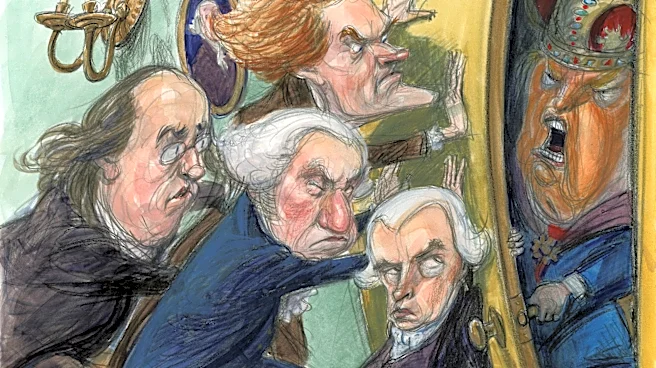









The Alien and Sedition Acts of 1798 were a set of laws that sparked significant controversy in the United States. Signed by President John Adams during a period of conflict with France, these acts were intended to protect national security but were widely criticized for infringing on civil liberties. The backlash against these laws played a crucial role in the political defeat of Adams and the Federalist Party in the 1800 election.
The Acts and Their Provisions
The Alien and Sedition
Acts consisted of four separate laws. The first three focused on immigration, extending the residency requirement for citizenship and granting the president authority to deport non-citizens considered dangerous or from enemy nations. The fourth law, the Sedition Act, made it illegal to publish false or malicious statements against the government, effectively curbing free speech.
Critics argued that these laws violated the First Amendment rights of free speech and press. The Sedition Act, in particular, was seen as a tool for the Federalists to silence opposition and suppress dissent. Many Americans viewed the acts as an abuse of power and a threat to individual freedoms, leading to widespread public outcry.
Political Consequences
The controversy surrounding the Alien and Sedition Acts had significant political repercussions. The Democratic-Republican Party, led by Thomas Jefferson, capitalized on the public discontent, portraying the acts as unconstitutional and tyrannical. This criticism helped to galvanize opposition to the Federalists and contributed to the defeat of President John Adams in the 1800 election.
The election marked a turning point in American politics, with the Democratic-Republicans gaining control and repealing three of the four acts. The Alien Enemies Act, however, remained in place, allowing the government to detain and deport citizens of enemy nations during wartime. The repeal of the other acts was seen as a victory for civil liberties and a rejection of federal overreach.
Legacy of the Acts
The Alien and Sedition Acts left a lasting legacy in American history. They highlighted the tension between national security and individual rights, a debate that continues to be relevant today. The acts also underscored the importance of political opposition and public opinion in shaping government policy.
The controversy surrounding these laws served as a catalyst for political change, influencing the development of political parties and the interpretation of constitutional rights. The Alien and Sedition Acts remain a significant example of the challenges faced by a young nation navigating issues of security, freedom, and governance.