



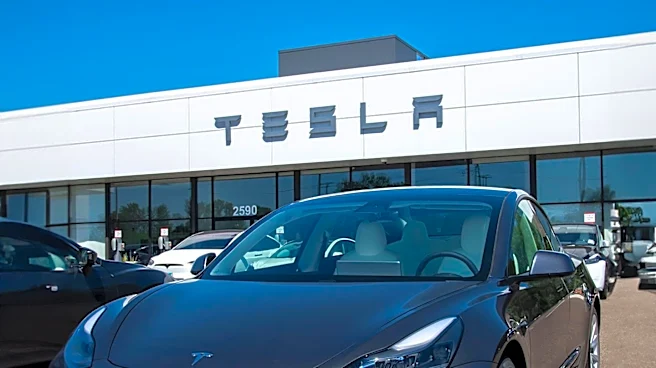



The Tesla Model 3, introduced in 2017, marked a significant milestone in the electric vehicle (EV) industry. As an affordable electric sedan, it was designed to bring electric mobility to a broader audience. The Model 3 quickly became a symbol of innovation and sustainability, capturing the attention of consumers and industry experts alike. This article delves into the development and impact of the Tesla Model 3, highlighting its role in transforming
the automotive landscape.
A New Era in Electric Vehicles
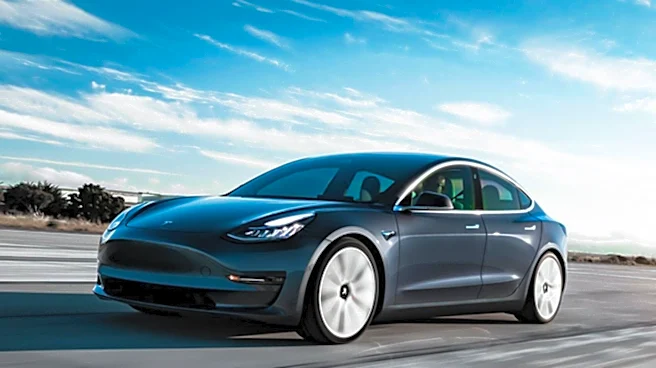
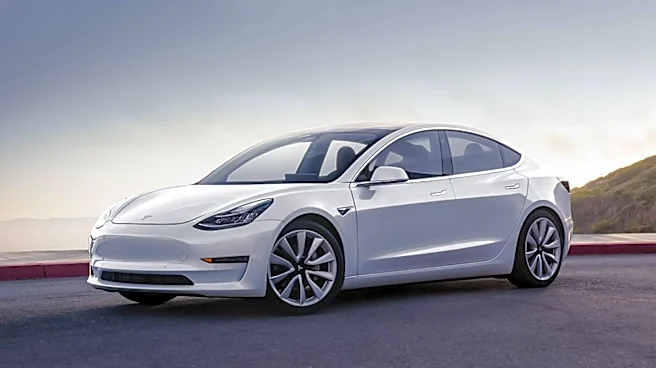
The launch of the Tesla Model 3 in 2017 was a pivotal moment for the electric vehicle market. Tesla aimed to create an affordable yet high-performing electric car that could appeal to a wide range of consumers. The Model 3's sleek design and modern aesthetics, combined with its focus on simplicity and efficiency, set it apart from other vehicles in its class. Inside, the car offered a clean and spacious environment, featuring a single touchscreen display for most controls, which was a departure from traditional car interiors.
Tesla's strategy involved offering different battery options for the Model 3, providing varying driving ranges and performance levels. This flexibility allowed consumers to choose a model that best suited their needs, whether they prioritized range or performance. The Long Range and Performance variants of the Model 3 offered impressive acceleration and over 300 miles of range on a single charge, making them highly competitive in the market.
Achieving Milestones and Breaking Records
Since its introduction, the Tesla Model 3 has achieved numerous milestones, solidifying its position as a leader in the electric vehicle market. By the end of 2022, Tesla had delivered approximately 1.8 million Model 3 vehicles, making it the best-selling electric car in the world. This achievement was a testament to the Model 3's popularity and the growing demand for electric vehicles globally.
The Model 3's success can be attributed to its combination of affordability, performance, and cutting-edge technology. It was the best-selling luxury car in the U.S. in 2019, highlighting its appeal to consumers seeking a premium driving experience without the environmental impact of traditional gasoline-powered vehicles. The Model 3's success also paved the way for Tesla's expansion into international markets, with production facilities established in China to meet the growing demand.
The Future of Electric Mobility
The Tesla Model 3 has not only set new standards for electric vehicles but has also influenced the broader automotive industry. Its success has encouraged other manufacturers to invest in electric vehicle technology and expand their EV offerings. The Model 3's impact extends beyond sales figures; it has played a crucial role in shifting public perception of electric vehicles, demonstrating that they can be both practical and desirable.
As the automotive industry continues to evolve, the Tesla Model 3 remains a symbol of innovation and progress. Its introduction marked the beginning of a new era in electric mobility, and its influence will likely continue to shape the future of transportation. With advancements in battery technology and autonomous driving features, the Model 3 is poised to remain a key player in the electric vehicle market for years to come.