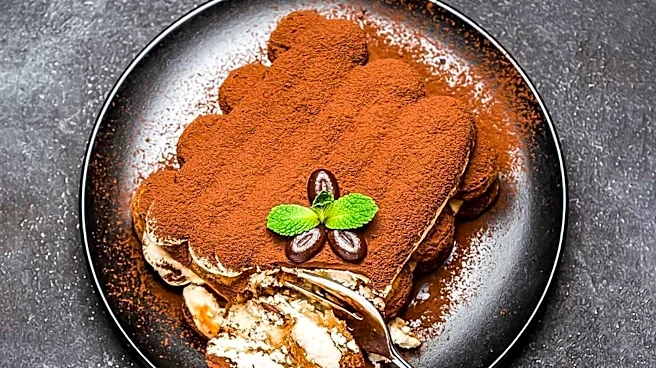








Tiramisu is more than just a dessert; it is a cultural icon that represents the rich culinary traditions of Italy. Known for its layers of coffee-soaked ladyfingers and creamy mascarpone, tiramisu has become a favorite among dessert enthusiasts worldwide. This article explores the cultural and culinary significance of tiramisu, highlighting its journey from a regional delicacy to an internationally celebrated dish.
Cultural Significance
Tiramisu's cultural significance
is deeply rooted in its Italian origins. The dessert is believed to have originated in the Veneto region, with Treviso often cited as its birthplace. The name "tiramisu," meaning "cheer me up" in Italian, reflects its comforting and uplifting nature, making it a popular choice for celebrations and gatherings.
The dessert's rise to fame is attributed to its unique combination of flavors and textures. The bitterness of coffee, the richness of mascarpone, and the sweetness of cocoa create a harmonious blend that appeals to a wide range of palates. This balance has made tiramisu a staple in Italian cuisine and a symbol of the country's culinary prowess.
Culinary Evolution
Tiramisu's culinary evolution is marked by its adaptability and versatility. While the classic recipe remains a favorite, chefs and home cooks have experimented with various ingredients and techniques to create new interpretations of the dessert. Some variations incorporate fruits like strawberries, while others explore different types of alcohol or coffee.
Despite these innovations, the core elements of tiramisu—coffee, mascarpone, and ladyfingers—remain unchanged. This consistency has allowed the dessert to maintain its identity while embracing new flavors and ideas. Tiramisu's ability to evolve while staying true to its roots is a testament to its enduring appeal.
Global Influence
Tiramisu's influence extends beyond Italy, with the dessert gaining popularity in countries around the world. Its international recognition is a testament to its universal appeal and the global reach of Italian cuisine. Tiramisu has inspired countless adaptations, with chefs incorporating local ingredients and flavors to create unique versions of the dessert.
The dessert's global influence is also reflected in its recognition by official bodies. In 2017, tiramisu was added to the list of traditional Friulian and Giulian agri-food products, highlighting its cultural significance in the Friuli-Venezia Giulia region. This acknowledgment underscores tiramisu's importance not only as a culinary delight but also as a symbol of Italian heritage.
Tiramisu's journey from a regional specialty to a global phenomenon is a testament to its timeless appeal. As it continues to inspire new generations of dessert lovers, tiramisu remains a cherished part of Italy's rich culinary tradition.