





The jumpsuit, a distinctive one-piece garment featuring sleeves and legs, has undergone a remarkable transformation from its utilitarian origins to a celebrated item in high fashion. Unlike its more loose-fitting counterpart, the boilersuit, the jumpsuit is characterized by a slimmer cut, which was a key factor in its early adoption as a fashion statement. Its journey through the decades reflects evolving societal norms, technological advancements,
and the creative visions of influential designers, solidifying its place as a versatile and enduring piece of attire.
Origins in Utility and Early Fashion Experiments
The history of the jumpsuit dates back to 1919, when it was initially conceived as a functional garment for parachutists. These original skydivers' jumpsuits were designed with practical purposes in mind: to insulate the body from the colder temperatures encountered at higher altitudes and to minimize the risk of snagging important handles and grips during jumps. This early design emphasized convenience, being simpler, lighter, and more flexible to wear than multi-piece outfits. It quickly became known as a "put-on-and-remove" garment, though its design typically required full removal for bathroom use unless equipped with a "drop seat."
While the boilersuit and dungarees also served similar utility purposes, the jumpsuit's inherently slimmer cut positioned it to be the first among these functional garments to transition into the realm of fashion. The 1930s marked a significant step in this evolution when pioneering fashion designer Elsa Schiaparelli began creating jumpsuits for women. Her designs, though considered the "talk of the town," were initially worn by only a select few, hinting at the garment's potential for style beyond pure function. By the mid-1940s, American designer Vera Maxwell introduced sporty jumpsuit styles that gained popularity, albeit as novelty items. The Second World War further propelled the jumpsuit into women's wardrobes, where it was valued for its practicality and usefulness during wartime efforts.
From Evening Wear to Unisex Icon
The jumpsuit's ascent into mainstream fashion truly began to accelerate in the post-war era. In the 1950s, American designers like Bonnie Cashin started to design evening jumpsuits, elevating the garment from casual or utility wear to a more sophisticated option. However, it took another decade for jumpsuits to achieve widespread popularity as both day and evening wear. A pivotal moment occurred in September 1964 when the jumpsuit made its debut in *Vogue* magazine, featuring Guy Laroche wearing a brown jersey jumpsuit paired with a sealskin jacket, captured by photographer Irving Penn. This high-profile appearance signaled the garment's arrival in the fashion elite. By January 1965, *Vogue* patterns even featured two "moon shot"-style jumpsuits in white jersey, reflecting a futuristic and modern appeal.
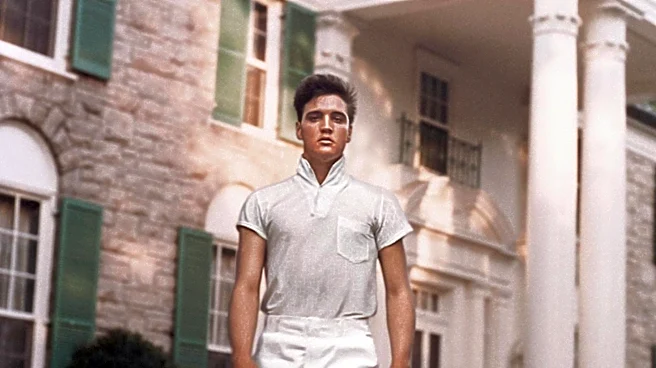
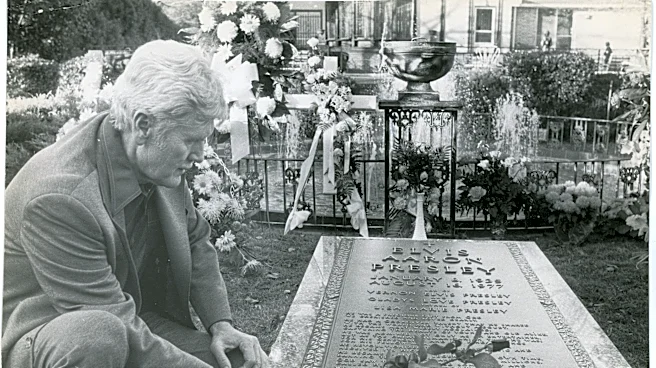
The late 1960s and 1970s proved to be particularly significant years for the jumpsuit. During this period, it became a versatile staple, appearing in various forms including sportswear, sleek leather one-pieces, and elaborately embellished designs suitable for evening events. Jumpsuits found a place in the collections of virtually every designer, and notably, they became a unisex outfit. Cultural icons such as Cher and Elvis Presley famously wore stylish jumpsuits during their stage performances, further cementing the garment's status as a symbol of glamour and individuality. Renowned American designer Geoffrey Beene even boldly proclaimed the jumpsuit to be "the ballgown of the next century," forecasting its enduring relevance. Despite this optimistic prediction, the jumpsuit experienced a decline in popularity during the 1980s, falling out of mainstream fashion for a period. However, its story did not end there. In 2002, designer Nicolas Ghesquière successfully relaunched the updated jumpsuit, presenting it in a variety of fabrics and patterns, which once again brought the style back into vogue and ensured its continued presence in contemporary fashion.