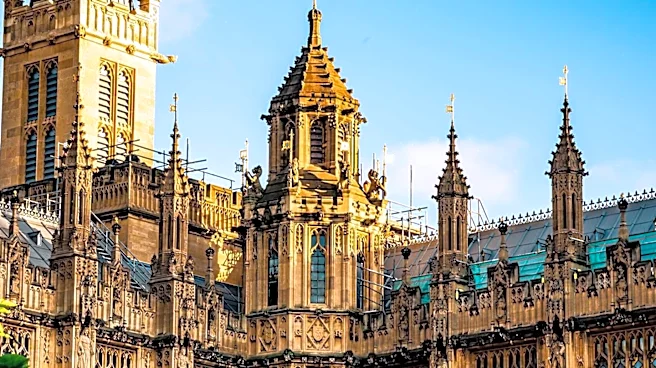











The UK Parliament is a cornerstone of the country's democratic system, playing a crucial role in the legislative process and government oversight. Comprising the House of Commons and the House of Lords, Parliament is responsible for making laws, scrutinizing government actions, and representing the interests of the public. Understanding the role of Parliament is essential to grasping how the UK government functions.
The Legislative Process
The primary function of the UK Parliament
is to make and pass laws. This process begins with the introduction of a bill, which can be proposed by the government or a Member of Parliament (MP). Bills go through several stages of debate and scrutiny in both the House of Commons and the House of Lords before becoming law.
In the House of Commons, MPs debate the bill's merits and propose amendments. The bill then moves to the House of Lords, where it undergoes further examination. The Lords can suggest changes, but the Commons has the final say. Once both houses agree on the bill's content, it receives royal assent from the monarch and becomes law.
Government Oversight and Accountability
Parliament plays a vital role in holding the government accountable for its actions. This is achieved through various mechanisms, including debates, questions, and committees. The Prime Minister's Questions, held weekly, allows MPs to question the Prime Minister on government policies and decisions.
Parliamentary committees are another essential tool for oversight. These committees investigate specific issues, gather evidence, and produce reports with recommendations for the government. They provide a platform for MPs and Lords to scrutinize government actions and hold ministers accountable for their decisions.
Representation and Public Engagement
Parliament represents the interests of the public, ensuring that diverse voices are heard in the legislative process. MPs are elected to represent specific constituencies, while members of the House of Lords are appointed based on their expertise and experience. This structure allows for a broad range of perspectives in parliamentary debates and decision-making.
Public engagement is a crucial aspect of Parliament's role. Citizens can participate in the democratic process by voting in elections, contacting their MPs, and engaging in public consultations. Parliament also provides opportunities for the public to observe debates and committee sessions, fostering transparency and accountability.
In summary, the UK Parliament is a vital institution in the country's governance, responsible for making laws, overseeing the government, and representing the public. Its role ensures that the government remains accountable and responsive to the needs of the people.