

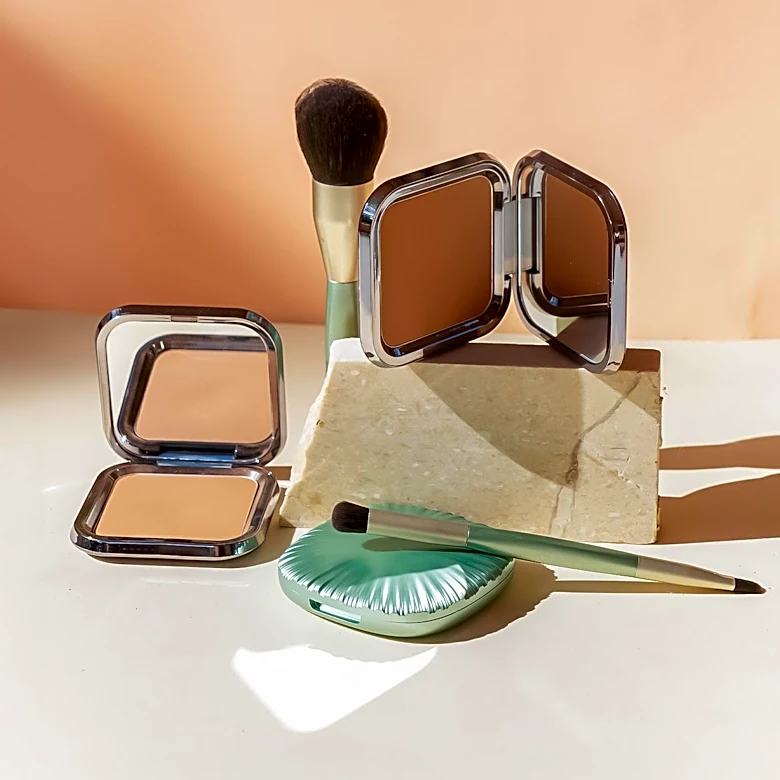




The compact, a small case containing face powder and a mirror, played a significant role in the cultural and social landscape of the 20th century. As makeup became more accepted and widespread, the compact emerged as a symbol of personal style and autonomy. This article explores the cultural impact of the compact and its influence on the changing perceptions of makeup throughout the century.
Makeup and Social Acceptance
In the early 1900s, makeup was not widely accepted, and women
often faced social scrutiny for using cosmetics. The compact, therefore, served as a discreet way for women to carry and apply makeup without drawing attention. Early compacts were often hidden within accessories like walking sticks or jewelry, reflecting the need for subtlety in a society that frowned upon overt cosmetic use.
As the century progressed, societal attitudes towards makeup began to shift. The rise of Hollywood in the 1920s and 1930s played a crucial role in popularizing makeup, with movie stars setting beauty trends that women across the world sought to emulate. The compact became a fashionable accessory, symbolizing the newfound freedom and autonomy that women experienced as they embraced makeup as a form of self-expression.
The Compact as a Fashion Statement
By the mid-20th century, the compact had evolved from a hidden necessity to a stylish accessory. Manufacturers like Evans and Elgin American produced ornate metal compacts that were designed to be displayed rather than concealed. These compacts often featured intricate designs and were adorned with finger chains or longer tango chains, reflecting the changing perceptions of makeup as a fashionable and acceptable part of everyday life.
The Art Deco movement further influenced compact design, leading to sleek and elegant creations that were as much about fashion as function. The compact became a symbol of sophistication and style, reflecting the broader cultural shifts towards the acceptance and celebration of personal grooming and beauty.
Global Influence and Legacy
The compact's cultural impact extended beyond the United States and the United Kingdom, reaching a global audience. British manufacturer Stratton, for example, began exporting compacts worldwide by the 1960s, highlighting the universal appeal of this cosmetic staple.
The compact's journey from a concealed item to a fashion statement mirrors the broader societal changes in the perception and use of makeup. It symbolizes the evolving role of cosmetics in personal expression and the growing acceptance of makeup as a tool for empowerment and self-confidence. Today, the compact remains a beloved accessory, cherished for its blend of practicality and elegance, and its enduring cultural significance.