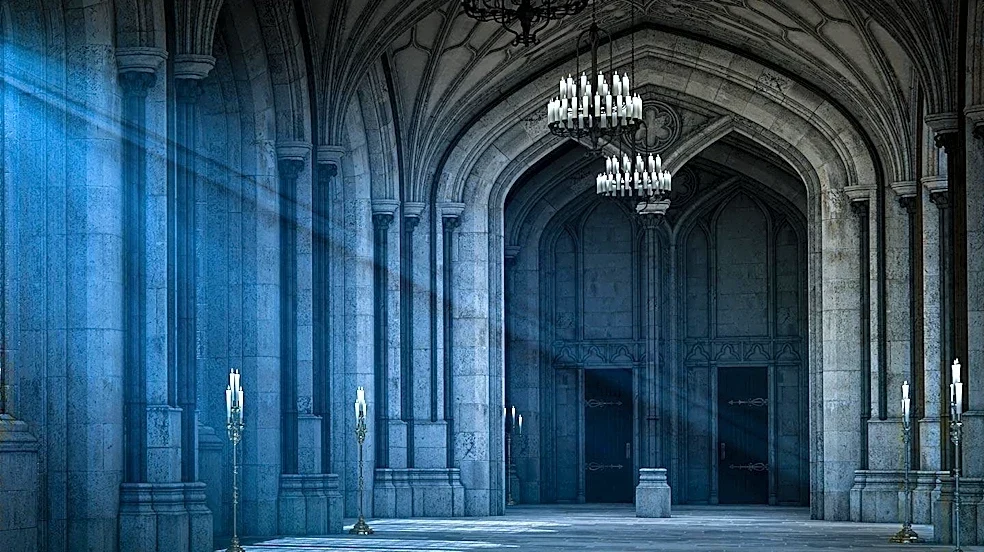





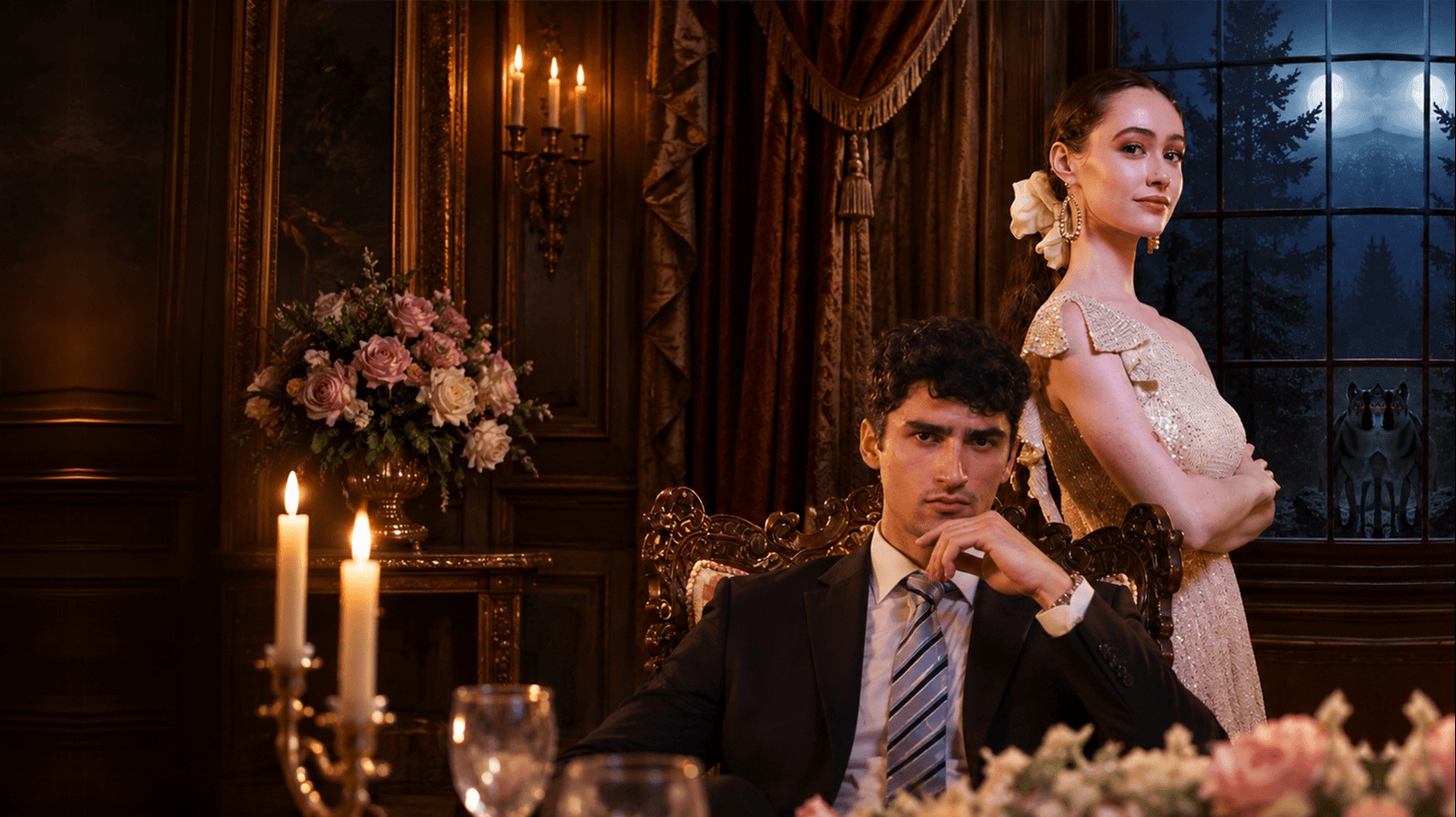



Gothic fiction, often synonymous with Gothic horror in the 20th century, is a literary aesthetic deeply rooted in fear and haunting. The genre's name itself is derived from the Renaissance-era use of "gothic" as a pejorative term, signifying medieval and barbaric, which in turn originated from Gothic architecture and the Goths. This connection to architecture is not merely semantic; Gothic buildings play a crucial role in establishing the genre's atmosphere
and themes, often serving as a mirror for the characters and events within the story.
The inclusion of a Gothic building in a narrative serves multiple purposes. It immediately suggests a historical setting, often implying a past era. These structures convey a sense of isolation or dissociation from the wider world, hint at religious associations, and evoke feelings of awe and dread. The physical environment becomes an active participant in the story, with elements like hidden tunnels, as seen in "The Castle of Otranto," mirroring the secrets and convoluted histories of the characters. This strong association with Gothic Revival architecture of the same era highlights a cultural fascination with the medieval past.
The Aesthetic of Fear and the Sublime
Gothic fiction is characterized by an environment of fear, the threat of supernatural events, and the intrusion of the past into the present. Settings typically feature physical reminders of history, particularly ruined buildings that symbolize the transience of human creations and the inevitable decay of time. Common Gothic settings in the 18th and 19th centuries included castles, monasteries, convents, and crypts, all contributing to a claustrophobic atmosphere. Plot elements frequently involve vengeful persecution, imprisonment, and murder, with horrifying events often serving as metaphors for psychological or social conflicts.
The emotional core of Gothic literature was significantly shaped by Edmund Burke's 1757 work, "A Philosophical Enquiry into the Origin of Our Ideas of the Sublime and Beautiful." Burke's ideas on the Sublime, Terror, and Obscurity provided a theoretical framework that codified the Gothic emotional experience. He posited that the Sublime is the strongest emotion the mind can feel, most often evoked by Terror. To induce Terror, a degree of Obscurity is necessary, as knowing everything about the source of fear diminishes its apprehension. This concept of the unknown being essential for true terror became a cornerstone of Gothic aesthetics, influencing the Romantic works that further informed the genre.
Literary Influences and Narrative Complexity
Beyond architectural and emotional aesthetics, Gothic fiction drew heavily from earlier literary traditions. John Milton's "Paradise Lost" (1667) was a major influence, particularly its depiction of the tragic anti-hero Satan, who became a model for many charismatic Gothic villains and Byronic heroes. Milton's themes of fall and redemption, creation and decreation, provided a significant model for Gothic plots, as evidenced in works like "Frankenstein."
The plays of William Shakespeare also served as a crucial reference point for early Gothic writers, lending credibility to the emerging genre. Tragedies such as "Hamlet," "Macbeth," "King Lear," "Romeo and Juliet," and "Richard III" incorporated elements like the supernatural, revenge, murder, ghosts, witchcraft, and omens, often set in medieval castles. These dramatic and pathos-filled works profoundly influenced early Gothic authors, who frequently quoted and alluded to Shakespeare. The narrative structure of Gothic stories is often discontinuous and convoluted, featuring tales within tales, changing narrators, and framing devices like discovered manuscripts, all contributing to a sense of mystery and psychological depth.