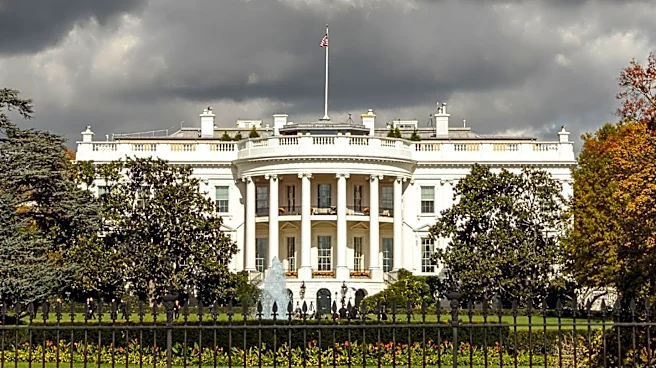








The White House taping system, installed by President Richard Nixon, played a crucial role in the Watergate scandal. This system, which recorded conversations in the Oval Office, provided key evidence of Nixon's involvement in the cover-up of the Watergate break-in. The tapes ultimately led to his resignation, highlighting the unintended consequences of Nixon's decision to record his presidency.
Installation and Purpose of the Taping System
Nixon ordered the installation of the taping system in 1971,
motivated by a desire to preserve an accurate record of his presidency for historical purposes. The system was designed to automatically record conversations in the Oval Office, capturing discussions between Nixon and his aides. The existence of the taping system was kept secret from most of Nixon's staff, including his secretary, Rose Mary Woods.
The decision to install the taping system was initially intended to ensure that Nixon's legacy would be accurately documented. However, it became a double-edged sword, as the recordings captured incriminating evidence of Nixon's involvement in the Watergate cover-up. The tapes became a focal point of the investigation, providing irrefutable proof of Nixon's actions.
The 'Smoking Gun' Tape and Its Consequences
One of the most significant recordings was the "Smoking Gun" tape, which documented a conversation between Nixon and his Chief of Staff, H.R. Haldeman. In this conversation, Nixon and Haldeman discussed using the CIA to obstruct the FBI's investigation into the Watergate break-in. The release of this tape on August 5, 1974, was a turning point in the scandal, as it provided undeniable evidence of Nixon's involvement in the cover-up.
The "Smoking Gun" tape led to a dramatic loss of political support for Nixon. Faced with the prospect of impeachment and removal from office, Nixon chose to resign on August 9, 1974. The tapes, intended to preserve Nixon's legacy, instead contributed to his downfall, underscoring the risks of recording sensitive conversations.
Legacy of the White House Tapes
The White House tapes had a lasting impact on American politics and the presidency. They highlighted the importance of transparency and accountability in government, leading to increased scrutiny of political leaders. The scandal also resulted in significant changes to campaign finance laws and increased oversight of executive power.
In the years following Watergate, no president has installed a similar taping system in the White House, reflecting the lessons learned from Nixon's experience. The tapes remain a powerful reminder of the consequences of political corruption and the importance of upholding democratic principles. The Watergate scandal and the role of the tapes continue to influence American politics, serving as a cautionary tale for future leaders.