





The Scopes Trial, officially known as The State of Tennessee v. John Thomas Scopes, was a pivotal legal case in American history. Held from July 10 to July 21, 1925, in Dayton, Tennessee, the trial centered around high school teacher John T. Scopes, who was accused of violating the Butler Act by teaching human evolution in a public school. The trial was a deliberate attempt to challenge the constitutionality of the Butler Act and attracted significant
public attention.
The Legal Battle Begins
The trial was initiated by the American Civil Liberties Union (ACLU), which sought to oppose the Butler Act on the grounds that it violated individual rights and academic freedom. The defense, led by the renowned lawyer Clarence Darrow, initially argued that there was no conflict between evolution and the Bible, a viewpoint later known as theistic evolution. However, the presiding judge, John T. Raulston, limited the defense's ability to present expert testimony on evolution, allowing only written statements for the appeal.
The prosecution was led by William Jennings Bryan, a prominent figure and fundamentalist, who argued against the teaching of evolution. The trial saw intense exchanges between Darrow and Bryan, particularly when Darrow called Bryan to the stand as an expert on the Bible. This move was unorthodox and highlighted the clash between scientific and religious perspectives.
The Verdict and Its Aftermath
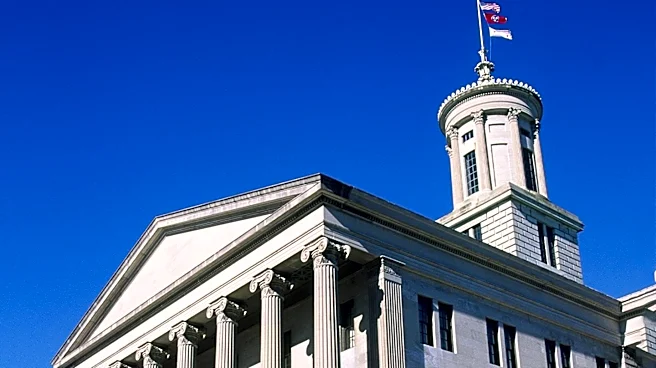
After eight days of trial, the jury found Scopes guilty on July 21, 1925, and he was fined $100. The trial's outcome was largely expected, as the defense aimed to appeal the decision to a higher court. The case was later appealed to the Tennessee Supreme Court, which upheld the Butler Act but overturned Scopes's conviction on a technicality, as the judge, not the jury, had set the fine.
The trial's conclusion did not mark the end of the debate over evolution and education. The Butler Act remained in effect until 1967, when it was repealed. The trial, however, had already left a lasting impact on public discourse and the legal landscape regarding the teaching of evolution in schools.
Legacy of the Scopes Trial
The Scopes Trial is often remembered for its dramatic courtroom scenes and the broader cultural clash it represented. It highlighted the tension between modern scientific theories and traditional religious beliefs, a debate that continues in various forms today. The trial also underscored the role of the judiciary in interpreting laws that intersect with personal beliefs and freedoms.
In the years following the trial, the case became a symbol of the struggle for academic freedom and the separation of church and state. It inspired numerous cultural works, including the play and film "Inherit the Wind," which dramatized the events of the trial. The Scopes Trial remains a significant chapter in American legal history, illustrating the complexities of balancing scientific progress with societal values.