






Automatic emergency braking systems (AEBS) have become a cornerstone of modern vehicle safety, playing a vital role in accident prevention and occupant protection. These systems are designed to detect potential collisions and automatically apply the brakes to avoid or mitigate the impact. This article explores the significance of AEBS in enhancing vehicle safety and its impact on reducing accidents.
How AEBS Enhances Vehicle Safety
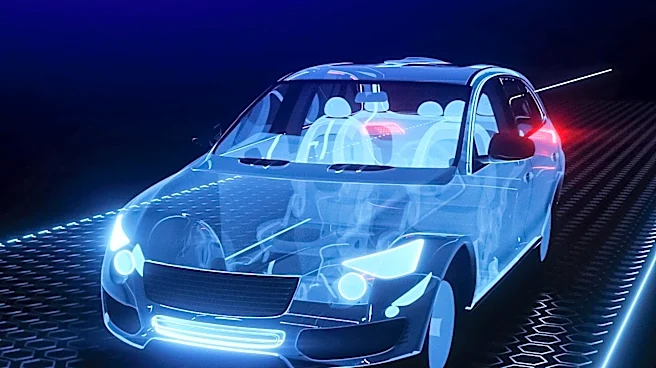
AEBS operates by using a combination of sensors,
cameras, and radar to monitor the vehicle's surroundings. When a potential collision is detected, the system alerts the driver and, if necessary, automatically applies the brakes to prevent or lessen the impact. This proactive approach to safety helps drivers avoid accidents, particularly in situations where reaction times are critical.
The integration of AEBS into vehicles has been driven by the need to address common accident scenarios, such as rear-end collisions. By automatically applying the brakes, AEBS can significantly reduce the severity of these accidents, protecting both the vehicle occupants and other road users. The system's ability to react faster than a human driver is a key factor in its effectiveness.
Impact on Accident Prevention
The introduction of AEBS has had a measurable impact on accident prevention. Studies have shown that vehicles equipped with AEBS experience fewer crashes, particularly in urban environments where sudden stops are more common. The system's ability to detect and respond to potential hazards before the driver can react has been instrumental in reducing the number of accidents.
Insurance companies have also recognized the benefits of AEBS, often offering lower premiums for vehicles equipped with this technology. The reduction in accident rates translates to fewer claims and lower costs for insurers, making AEBS an attractive feature for both manufacturers and consumers.
The Future of AEBS in Vehicle Safety
As technology continues to advance, the capabilities of AEBS are expected to improve further. Future developments may include enhanced detection systems that can identify a wider range of obstacles and more sophisticated algorithms that can better predict potential collisions. These advancements will likely lead to even greater reductions in accident rates and further improvements in vehicle safety.
In conclusion, automatic emergency braking systems have become an essential component of modern vehicle safety. By providing an additional layer of protection and reducing the likelihood of accidents, AEBS contributes significantly to the overall safety of vehicles on the road. As technology evolves, AEBS will continue to play a crucial role in shaping the future of automotive safety.