






Patrick Francis Healy, a Jesuit priest, played a pivotal role in transforming Georgetown University during his presidency from 1873 to 1882. Known as the "second founder" of the university, Healy's leadership marked a significant period of growth and modernization for the institution. Despite the challenges posed by his mixed-race background, Healy's vision and determination helped shape Georgetown into a modern university, setting a precedent for future
educational reforms.
Early Challenges and Leadership
When Patrick Francis Healy assumed the presidency of Georgetown University in 1873, he faced numerous challenges. The university was still recovering from the aftermath of the Civil War, and there was a pressing need to modernize its facilities and curriculum. Healy's appointment as president was initially met with hesitation due to his mixed-race background, but his qualifications and leadership skills eventually won over the board of directors.
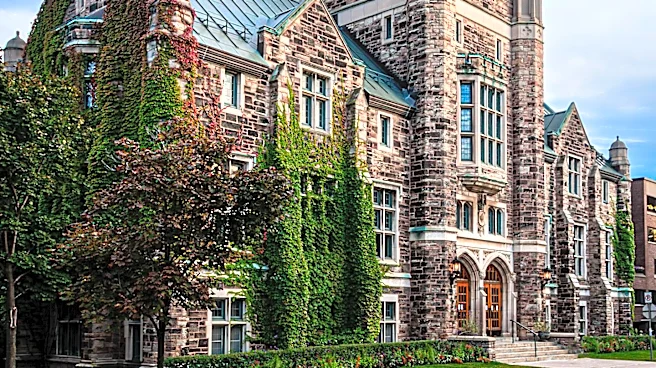
Healy's early years as president were marked by his efforts to expand the university's physical infrastructure. Recognizing the need for more space to accommodate a growing student body, Healy prioritized the construction of new buildings. This included the iconic Healy Hall, which remains a central part of the Georgetown campus today. His ability to secure funding and oversee the construction of these facilities demonstrated his commitment to the university's growth.
Curricular Reforms and Academic Excellence
One of Healy's most significant contributions to Georgetown University was his focus on curricular reform. Healy aimed to transform Georgetown from a college into a true university, offering a wide array of specialized academic fields. Healy's vision aligned with the broader goal of creating a great Catholic university in the United States, as envisioned by the nation's bishops.
Under Healy's leadership, Georgetown's curriculum was expanded to include more diverse and specialized courses. Healy introduced entrance exams for the first time, raising the academic standards and attracting a more qualified student body. His reforms also included changes to student discipline, treating students as young adults rather than children, which was a progressive approach for the time.
Legacy and Impact
Patrick Francis Healy's presidency left a lasting impact on Georgetown University. His efforts to modernize the university's infrastructure and curriculum laid the foundation for its future growth and success. During his tenure, the demographics of the student body shifted, with more students from the North and a higher percentage of Catholic students enrolling.
Healy's legacy extends beyond his contributions to Georgetown. As the first Black president of a predominantly White university in the United States, Healy's achievements challenged racial barriers and set a precedent for future leaders. His story is a testament to the power of vision and determination in overcoming obstacles and effecting meaningful change in higher education.