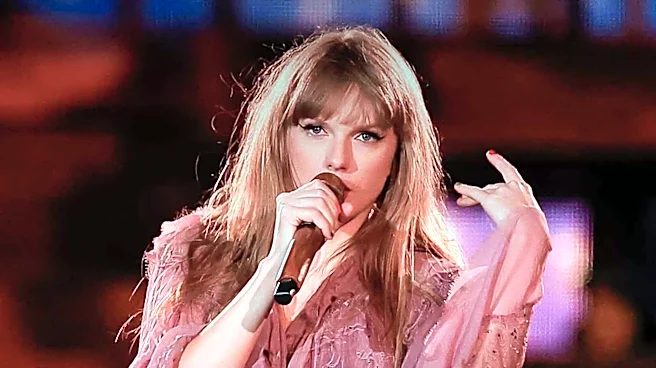


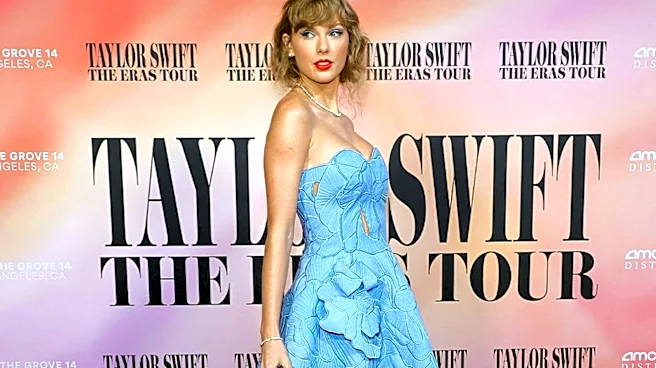
"All Too Well: The Short Film" marks a significant milestone in Taylor Swift's career, serving as her debut as a writer and director. Released in 2021, this musical romantic drama is a film adaptation of her acclaimed song "All Too Well," specifically utilizing the extended 10-minute version. Swift's venture into filmmaking allowed her to translate the song's intricate emotional landscape into a visual narrative, starring Sadie Sink and Dylan O'Brien.
Her approach to the film was deeply informed by specific artistic influences, shaping its tone, character dynamics, and overall aesthetic, offering a glimpse into her directorial vision and storytelling prowess beyond music.
Drawing from Cinematic Masters
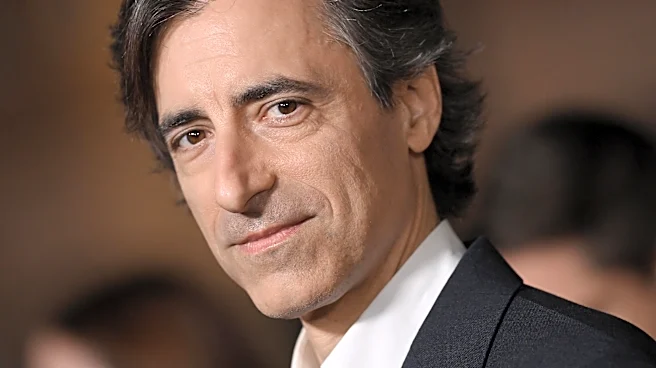
In crafting "All Too Well: The Short Film," Taylor Swift explicitly cited the works of several notable filmmakers and actors as her artistic influences. She drew inspiration from Barbara Stanwyck, an iconic actress known for her powerful and nuanced performances, suggesting an interest in strong character portrayal and emotional depth. Additionally, Swift referenced John Cassavetes, a pioneer of American independent cinema celebrated for his raw, naturalistic style and focus on character-driven narratives. This influence can be seen in the film's intimate portrayal of the couple's relationship, particularly in its depiction of their arguments and vulnerable moments. Noah Baumbach, another acclaimed director known for his character studies and realistic dialogue, also served as an influence, further emphasizing Swift's desire for authenticity and emotional resonance in her storytelling.
Translating Song to Screen: The 10-Minute Version
The decision to set the film against the backdrop of the uncut, 10-minute version of "All Too Well" was central to Swift's artistic vision. This extended version of the song provided a rich, detailed narrative framework that allowed for a more comprehensive cinematic exploration of the relationship. The song's lyrical depth, which chronicles the nuances of a love affair from its passionate beginnings to its painful end, offered ample material for visual interpretation. By using the full 10-minute track, Swift was able to pace the film to match the song's emotional ebb and flow, allowing scenes to breathe and characters' feelings to unfold gradually. This choice underscores her commitment to fully realizing the song's narrative potential through the medium of film, creating a cohesive experience where music and visuals are inextricably linked.
Narrative Structure and Thematic Exploration
Swift's directorial choices are evident in the film's narrative structure, which meticulously follows the arc of the relationship. The story begins with moments of intense connection, such as the couple lying in bed and their trip upstate, before gradually introducing elements of discord. The dinner party scene, where Him ignores Her, is a pivotal moment that highlights the power dynamics and emotional neglect within the relationship. Swift's direction captures the subtle shifts in their interactions, from passionate arguments to fleeting reconciliations, such as their dance in the refrigerator light. The film's jump 13 years into the future, where Her becomes an author, showcases Swift's thematic interest in transformation and the power of art to process pain. This narrative choice allows for a reflection on the long-term impact of past relationships and the journey of healing and self-expression, culminating in a powerful statement about turning personal heartache into a public narrative.