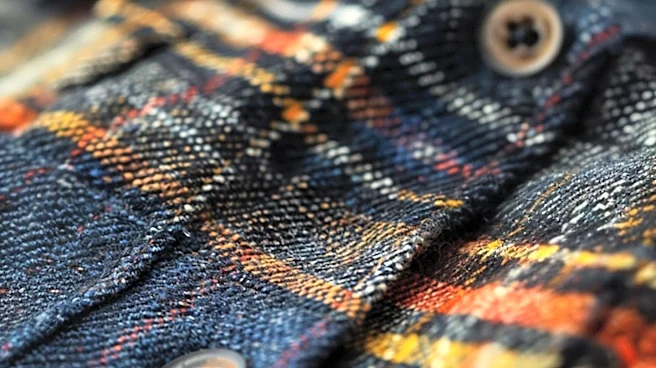







Plaid, a term often used interchangeably with tartan, is more than just a fabric pattern; it is a cultural icon deeply embedded in Scottish tradition. Known for its distinctive checked design, plaid has been a symbol of Scottish identity, representing clan affiliations and regional heritage. Its cultural significance extends beyond its aesthetic appeal, serving as a powerful emblem of Scotland's rich history and traditions.
Clan and Regional Identity
In Scotland, specific tartans
are linked to clans, families, or regions, with patterns and colors historically derived from local natural dyes. This association with clans and regions has made plaid a symbol of identity and belonging. Each tartan pattern, known as a sett, is unique, representing the heritage and lineage of the wearer.
The idea that various colors used in tartan have specific meanings is a modern one, with recent tartans designed with symbolic meanings for the colors used. For example, green might represent prairies or forests, blue can symbolize lakes and rivers, and yellow might stand for various crops. This symbolic use of color adds another layer of cultural significance to plaid, making it a meaningful representation of Scottish heritage.
Symbol of Tradition and Pride
Plaid's role as a cultural icon is further emphasized by its use in traditional Scottish clothing, such as the kilt. Originating in woven wool, tartan has been used for centuries in traditional clothing, serving both practical and symbolic purposes. The kilt, often worn with a matching plaid, is a garment that embodies Scottish pride and tradition.
The cultural significance of plaid is also evident in its use in ceremonial occasions and formal Highland dress. Properly worn, the plaid should be level with the top of the left spat point at the rear of the leg, with fringe hanging down below this level. This attention to detail reflects the care and respect given to this traditional garment, highlighting its importance in Scottish culture.
Modern Interpretations
Today, plaid continues to be a symbol of Scottish identity, with its patterns and colors serving as a reminder of Scotland's rich cultural heritage. While its traditional uses remain, plaid has also found its way into modern fashion, becoming a popular design in clothing and accessories worldwide.
Despite its evolution, plaid remains a powerful emblem of Scottish tradition, representing the pride and heritage of the Scottish people. Whether worn in traditional settings or modern interpretations, plaid continues to be a cultural icon, celebrating the rich history and traditions of Scotland.