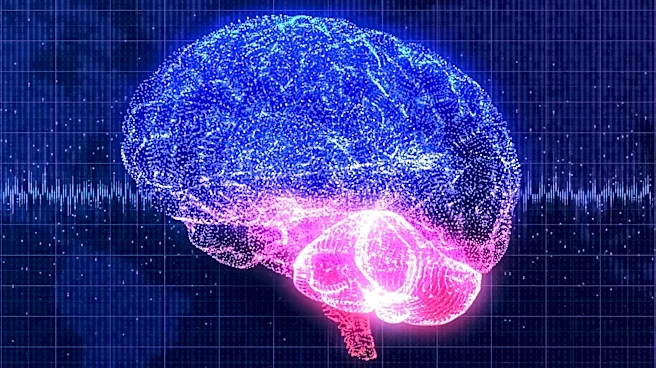









Disgust is a complex emotion that involves specific neural mechanisms and brain structures. Understanding the neural basis of disgust can provide insight into how this emotion is processed and experienced. Research has identified key areas of the brain that are activated during the experience of disgust, highlighting its importance in human behavior and survival.
The Role of the Insula
The insula, or insular cortex, is the main neural structure involved in the emotion of
disgust. Functional MRI studies have shown that the anterior insula is particularly active when individuals experience disgust, whether it is triggered by offensive tastes, smells, or visual stimuli. This suggests that the insula plays a crucial role in processing the sensory information associated with disgust.
The insula is also involved in controlling visceral sensations and autonomic responses related to disgust. This includes the feeling of nausea and the urge to vomit, which are common reactions to disgusting stimuli. The activation of the insula during these experiences underscores its importance in transforming unpleasant sensory input into physiological reactions.
Neural Pathways and Disgust Recognition
The recognition of disgust involves specific neural pathways that allow individuals to identify and respond to disgust-inducing stimuli. The mirror-neuron matching system, found in both monkeys and humans, is one proposed explanation for the recognition of disgust. This system suggests that observing someone else's facial expression of disgust triggers neural activity related to the observer's own experience of the emotion.
This neural mechanism highlights the evolutionary significance of disgust, as it allows individuals to learn from the reactions of others and avoid potential threats. The ability to recognize disgust in others serves as a warning system, promoting survival by encouraging individuals to steer clear of harmful situations.
Disgust and Brain Disorders
Research has also explored the relationship between disgust and various brain disorders. For example, patients with Huntington's disease often struggle to recognize expressions of disgust in others and do not show typical reactions to foul odors or tastes. This suggests that the neural mechanisms involved in disgust may be impaired in individuals with certain neurological conditions.
Similarly, patients with major depressive disorder have been found to display greater brain activation in response to facial expressions of disgust. This indicates that the neural processing of disgust may be altered in individuals with depression, potentially contributing to the symptoms of the disorder. Understanding these neural connections can inform the development of treatments and interventions for individuals with brain disorders that affect the experience of disgust.