








Activism played a crucial role in the passage of the Civil Rights Act of 1964, serving as a catalyst for legislative change. The efforts of civil rights leaders and organizations brought national attention to the injustices faced by African Americans, pressuring lawmakers to act. This article explores the impact of activism on the legislative process and the eventual success of the Civil Rights Act.
The Influence of Civil Rights Leaders
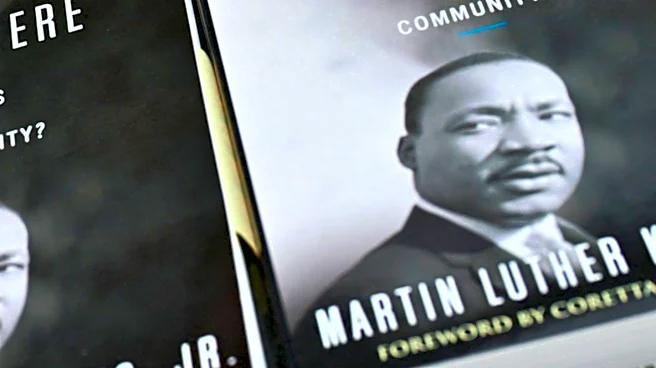
Civil rights leaders such as Martin Luther King Jr.,
A. Philip Randolph, and Roy Wilkins were instrumental in advocating for the Civil Rights Act. Their leadership in organizing protests and marches highlighted the urgent need for legislative action. The March on Washington for Jobs and Freedom in August 1963 was a pivotal event, drawing over 250,000 participants and capturing the nation's attention. The march underscored the demand for civil rights legislation and demonstrated the power of peaceful protest.
These leaders also engaged directly with political figures, meeting with President Kennedy and Vice President Johnson to discuss the civil rights bill. Their advocacy efforts helped to shape the bill's provisions, ensuring that it addressed key issues such as employment discrimination and public accommodations. The collaboration between civil rights leaders and lawmakers was crucial in advancing the bill through Congress.
Media Coverage and Public Pressure
The media played a significant role in amplifying the voices of activists and bringing the civil rights struggle into American homes. Coverage of events such as the Birmingham campaign and the violent response to peaceful protests highlighted the systemic racism and brutality faced by African Americans. These images and stories generated public outrage and increased pressure on lawmakers to pass the Civil Rights Act.
Television broadcasts of civil rights protests and the harsh realities of segregation helped to shift public opinion in favor of legislative change. The widespread media coverage made it difficult for politicians to ignore the growing demand for civil rights reform. This public pressure was a driving force behind the eventual passage of the Civil Rights Act.
The Legacy of Activism
The activism surrounding the Civil Rights Act of 1964 set a precedent for future social movements. It demonstrated the power of collective action and the importance of grassroots organizing in effecting change. The success of the Civil Rights Act was a testament to the dedication and resilience of civil rights activists who fought tirelessly for equality.
The Act's passage marked a significant victory in the civil rights movement, but it also highlighted the ongoing struggle for justice and equality. Activism continued to play a vital role in subsequent civil rights legislation, including the Voting Rights Act of 1965. The legacy of activism in the 1960s serves as a reminder of the impact that determined individuals and organizations can have on shaping a more equitable society.