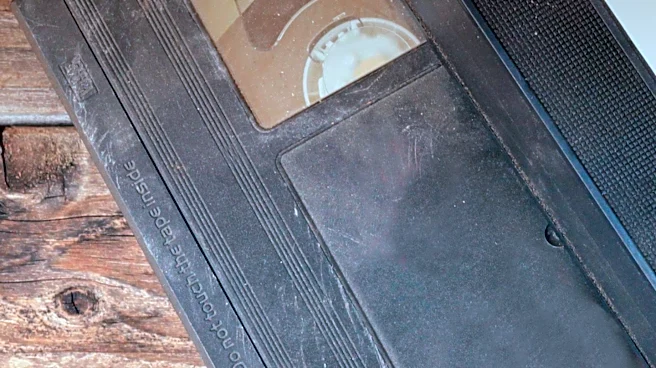





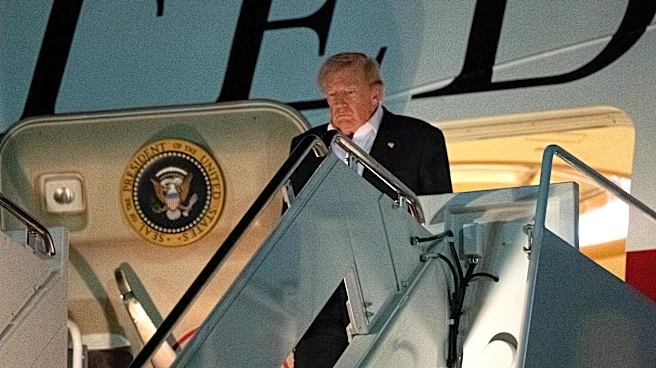


One of the most intriguing and controversial aspects of the Nixon White House tapes is the infamous 18½-minute gap. This gap, which occurred during a crucial conversation between President Richard Nixon and his Chief of Staff, H.R. Haldeman, has been the subject of much speculation and debate. The missing content of this gap remains unknown, but its existence played a significant role in the Watergate scandal.
The Discovery of the Gap
The 18½-minute gap was discovered by Nixon's
secretary, Rose Mary Woods, on September 29, 1973, while she was reviewing a tape of the June 20, 1972, recordings. Woods claimed that she made a "terrible mistake" during transcription. While playing the tape on a Uher 5000 machine, she accidentally hit the record button instead of the stop button while answering a phone call. This error resulted in a five-minute portion of the tape being rerecorded.
However, when Woods listened to the tape, she found that the gap had grown to 18½ minutes. She insisted that she was not responsible for the remaining 13 minutes of buzz. The contents of the missing recording remain unknown, but the gap occurs during a conversation between Nixon and Haldeman, just three days after the Watergate break-in.
Theories and Speculations
The mysterious gap has led to various theories and speculations about who might have erased the tape and why. Some have suggested that Nixon himself may have caused the erasures, as he was known to be "spectacularly inept" at operating mechanical devices. Others have speculated that the erasure was deliberate, possibly carried out by a White House lawyer or another member of Nixon's staff.
White House Chief of Staff Alexander Haig once speculated that the erasure might have been caused by an unidentified "sinister force." Despite these theories, no definitive explanation has been provided, and the true contents of the missing 18½ minutes remain a mystery.
The Impact on the Watergate Scandal
The 18½-minute gap added to the intrigue and controversy surrounding the Watergate scandal. It raised questions about what was discussed during the missing portion and whether it contained evidence of Nixon's involvement in the cover-up. The gap became a symbol of the secrecy and deception that characterized the Nixon administration.
The existence of the gap also contributed to the legal battles over the tapes. Judge John Sirica, who had issued subpoenas for the tapes, was not informed of the gap until November 21, 1973. The gap further fueled suspicions and skepticism about Nixon's actions and intentions, ultimately contributing to his resignation.
The 18½-minute gap remains one of the enduring mysteries of the Watergate scandal, highlighting the challenges of uncovering the truth in the face of political intrigue and deception.