








"The Twist" is an American song that transcended its musical origins to become a global dance phenomenon. Originally written and released by Hank Ballard and the Midnighters in 1958 as a B-side, it was Chubby Checker's 1960 cover version that propelled the song and its associated dance into unprecedented popularity. This simple yet revolutionary dance, characterized by its independent movements, captivated audiences worldwide and left an indelible
mark on popular culture, influencing how people danced and interacted for decades.
From B-Side to Billboard Chart-Topper
Hank Ballard and the Midnighters first introduced "The Twist" in 1958 as the B-side to their single "Teardrops on Your Letter." Ballard's version was a moderate success, reaching number 28 on the US Billboard Hot 100 in 1960. On the US Billboard Hot R&B Sides chart, it peaked at number 16 in 1959 and then number six in 1960. By 1962, Ballard's original recording had sold over one million copies, marking it as his fourth million-seller. This initial success laid the groundwork for what would become a much larger cultural explosion.
The song's true breakthrough came with Chubby Checker's rendition. Recorded in 1960, Checker's version was released in June of that year. It quickly gained traction, largely due to his appearances on popular television shows like *American Bandstand* and *The Dick Clark Saturday Night Beechnut Show*. These appearances, particularly his demonstrations of the dance, were instrumental in popularizing both the song and the dance. Checker's "The Twist" first hit number one on the Billboard charts on September 19, 1960, for one week, solidifying its status as a major hit.
The Dance That Changed Social Interaction
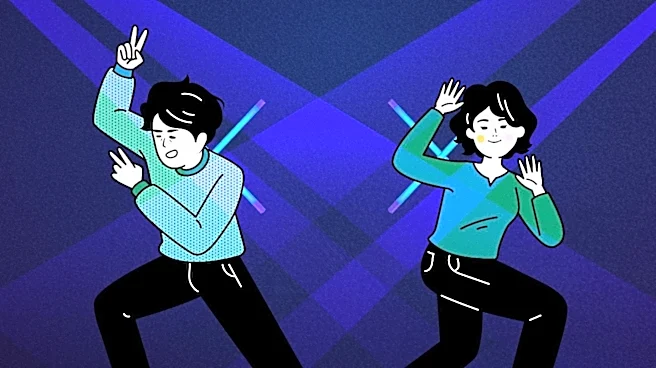
The Twist dance itself was revolutionary for its time. Unlike many previous partner dances, it allowed individuals to dance independently, without physical contact. Chubby Checker famously explained the concept on *American Bandstand* as being able to "dance independently from the beat." This freedom of movement, combined with its simple steps, made it accessible to a wide audience and contributed to its rapid spread as an international fad dance. The dance involved standing with feet approximately shoulder-width apart, holding arms out from the body bent at the elbow, and rotating the hips, torso, and legs on the balls of the feet as a single unit, while the arms remained relatively stationary. The feet would grind back and forth on the floor, and the dance could be varied in speed and intensity.
The dance's simplicity and the ability to perform it without a partner were key factors in its widespread adoption. It broke away from traditional ballroom and partner dancing, ushering in a new era of individual expression on the dance floor. This shift was significant, as it allowed for more personal interpretation and less structured movement, appealing to a younger generation eager for new forms of self-expression. The dance became acceptable among adults as well, leading to its re-release and second surge in popularity.
A Double Ascent to Number One and Lasting Influence
One of the most remarkable aspects of Chubby Checker's "The Twist" was its unprecedented achievement of reaching number one on the Billboard charts twice. After its initial peak in 1960, the song re-entered the charts and climbed to the top spot again in 1962. This made it the only song of the rock era to achieve number one status in two different years, a testament to its enduring appeal and the sustained popularity of the dance craze. This second wave of success further cemented its place in music history.
The song's influence extended beyond the dance floor. It became a symbol of a new cultural era, one that embraced youth culture and new forms of entertainment. Even decades later, "The Twist" continued to be recognized for its impact. In September 2008, Billboard listed "The Twist" at the top of its list of the most successful songs (Hot 100 Hit of All Time), a position it held until 2021 when it was surpassed by "Blinding Lights." This long-standing recognition underscores the profound and lasting legacy of "The Twist" as both a musical hit and a cultural phenomenon that reshaped the landscape of popular dance.