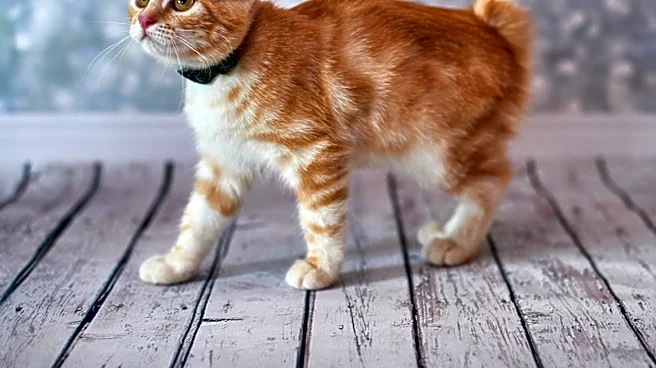



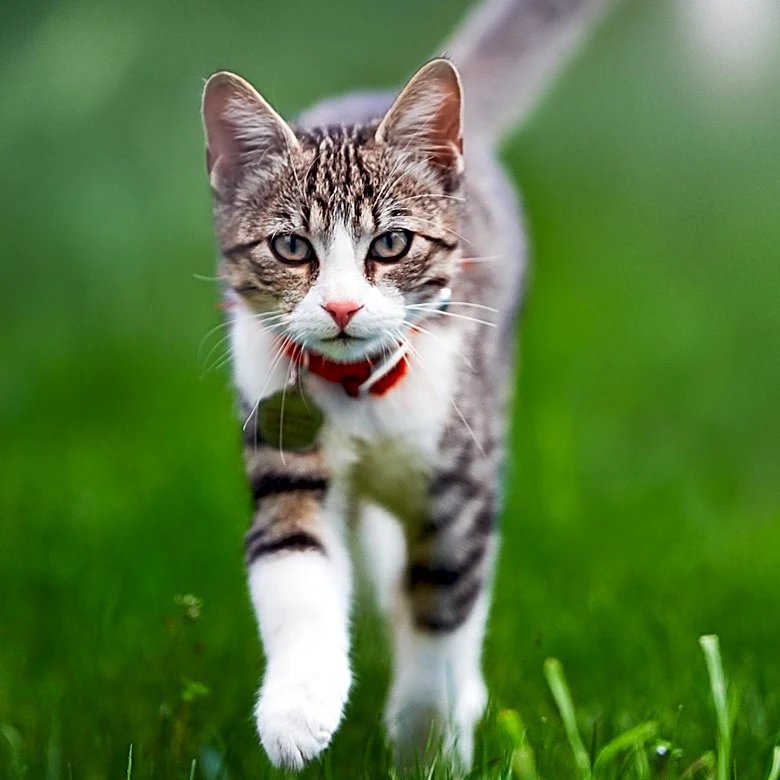
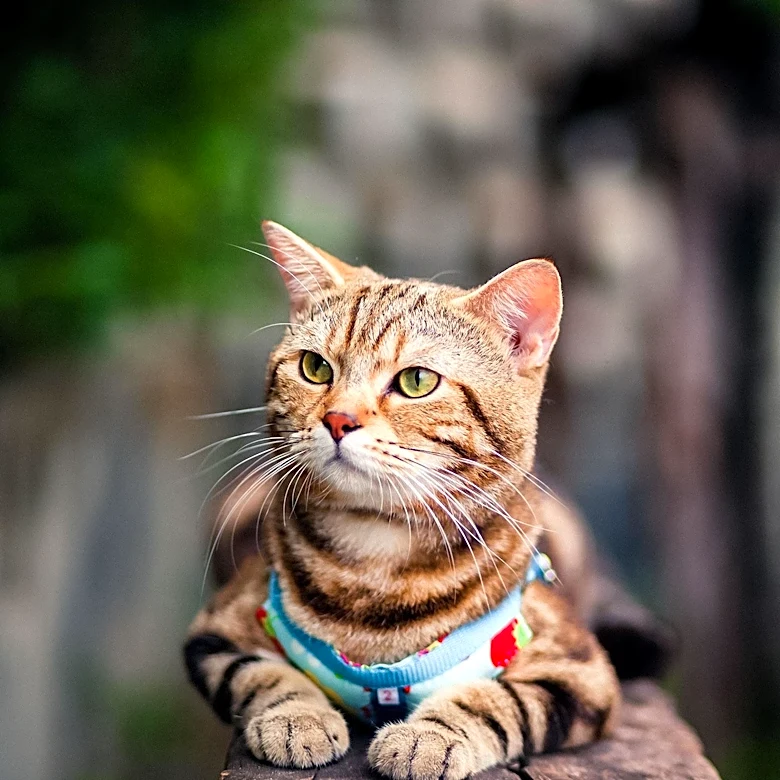



The Kurilian Bobtail is a distinctive cat breed with origins in the remote Kuril Islands, Sakhalin Island, and the Kamchatka peninsula of Russia. This breed is recognized for its unique short, fluffy tail and robust build. Known by several names, including Kuril Islands Bobtail, Kuril Bobtail, and Curilsk Bobtail, it is sometimes simply referred to as a Kurilean. The breed's natural development in its native territories has contributed to its hardy
nature and specific physical traits, making it a fascinating subject for cat enthusiasts.
Origins and Historical Presence
The original short-haired variant of the Kurilian Bobtail is considered a natural breed, having been known on the islands for over 200 years. This long history in its native region suggests a deep-rooted presence before its recognition as a selectively bred pet. While it has gained popularity in the USSR and parts of Europe since the mid-20th century, particularly for its rodent-hunting abilities, the Kurilian Bobtail remained rare in North America as of 2011. Its development and promotion as a Russian aboriginal breed highlight its distinct identity, separate from other bobtail cat breeds.
There are several theories regarding the breed's origin. One prominent suggestion is that the Kurilian Bobtail resulted from the crossbreeding of Japanese Bobtail landraces with Siberian cats, which were brought to the Kuril Islands by sailors. However, despite sharing a similar kinked, short tail with the Japanese Bobtail, the Kurilian originated on the opposite side of Eurasia. This geographical distinction leads to the suggestion that it might be more closely related to the Karelian Bobtail, found in western Russia and Finland, rather than the Japanese Bobtail.
Distinctive Physical Characteristics
The Kurilian Bobtail possesses a semi-cobby body type, which contributes to its robust appearance. A notable feature is its slightly arched back, coupled with hind legs that are longer than its front legs, a characteristic also seen in the Manx cat. The breed's tail is a defining trait, typically measuring between 5 to 13 centimeters (2 to 5 inches) and described as short and fluffy. This unique tail is often kinked or bent, featuring one or more knots, and is usually more heavily furred than the rest of the body, creating a pompon effect.
In terms of size, male Kurilian Bobtails typically weigh between 5 to 7 kilograms (11 to 15 pounds), while females range from 4 to 5 kilograms (8 to 11 pounds). The breed can have either short or semi-long hair, both featuring a double-layered coat. All coat colors are recognized, with the exception of colorpoint. The head is large and trapezoidal with rounded contours, a slightly concave profile, and broad cheekbones. The muzzle is medium-long and wide, complemented by a well-developed chin. Their eyes are round, wide-set, and slightly slanted, while their ears are large, broad, set high, and tilted forward, with rounded tips and an approximate ear-width distance between them.
Recognition and Lifespan
The Kurilian Bobtail is recognized by several international cat registries, including FIFe, TICA, and WCF. Some registries even divide Kurilians into separate shorthair and longhair breeds, acknowledging the variations within the type. This recognition underscores the breed's established standards and growing presence in the cat fancy world. The breed is known for its longevity, with an average lifespan of 15 to 20 years, a testament to its natural hardiness and robust health. Litter sizes typically consist of 2 to 3 kittens.