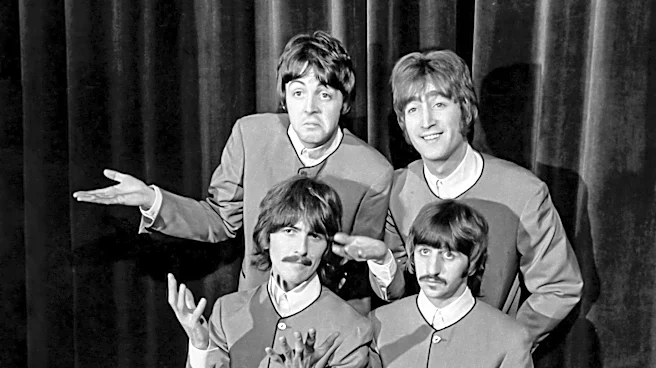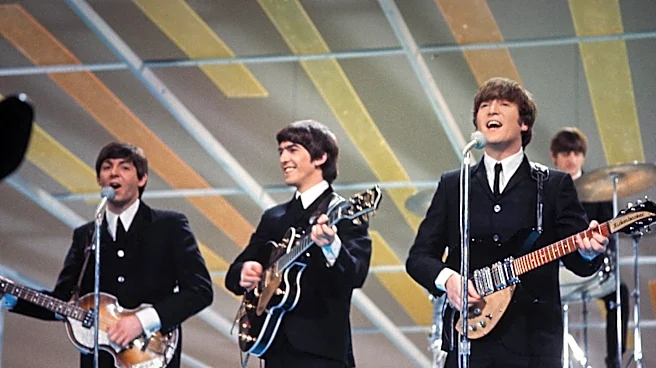




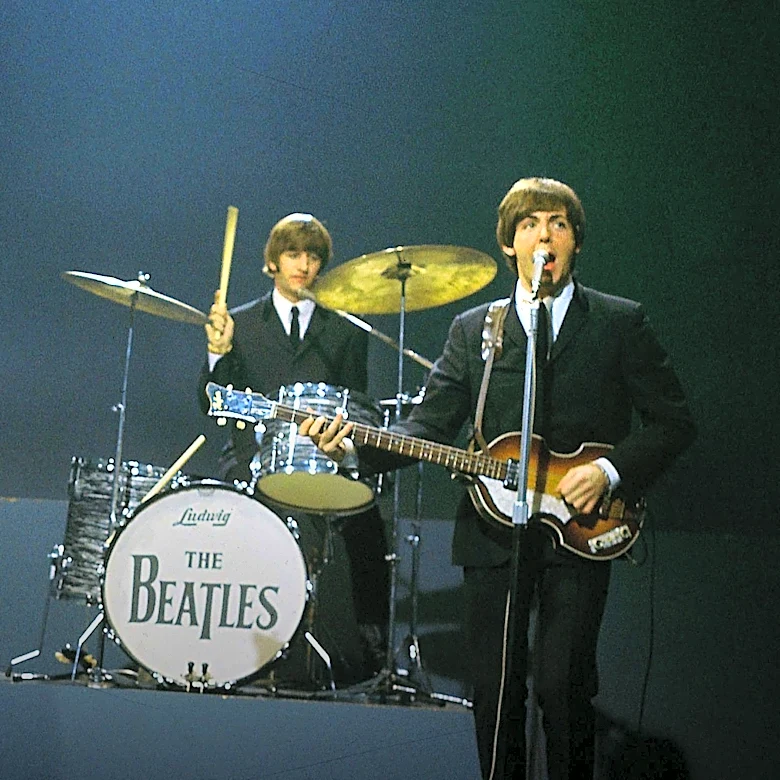
Beatlemania, the intense fan adoration for The Beatles, was a multifaceted phenomenon with significant social implications. It transcended typical fan worship, influencing youth culture, fashion, and even the music industry's operational methods. Young people began to adopt Beatles-inspired hairstyles and clothing, demonstrating the band's profound impact on personal style. Record stores specialized in Beatles records, and EMI/Parlophone even introduced
a pre-subscription system for upcoming releases, allowing fans to reserve copies before they were even released or publicly known. This level of engagement highlighted a new era of consumer demand and fan dedication.
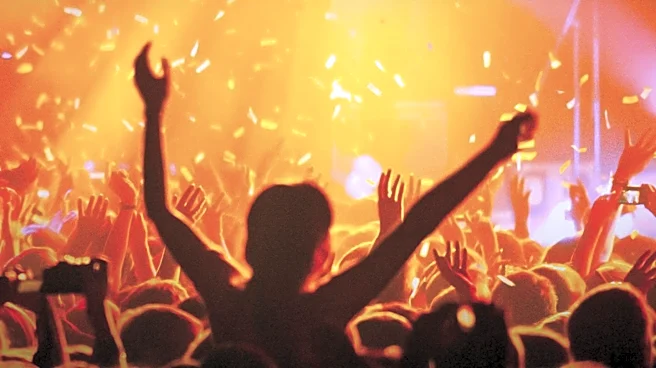
Initially, the fanbase was predominantly young adolescent females, often referred to as "teenyboppers." Their enthusiastic behavior was frequently met with scorn from many commentators. However, by 1965, the Beatles' appeal had broadened, attracting listeners who traditionally avoided youth-driven pop culture. This expansion helped bridge divides between folk and rock enthusiasts, demonstrating the band's growing influence across different musical tastes and demographics. The phenomenon was so pervasive that it became a subject of analysis by psychologists and sociologists throughout the 1960s, with a 1997 study even recognizing it as an early manifestation of proto-feminist "girl power."
Academic Interpretations and Public Scrutiny
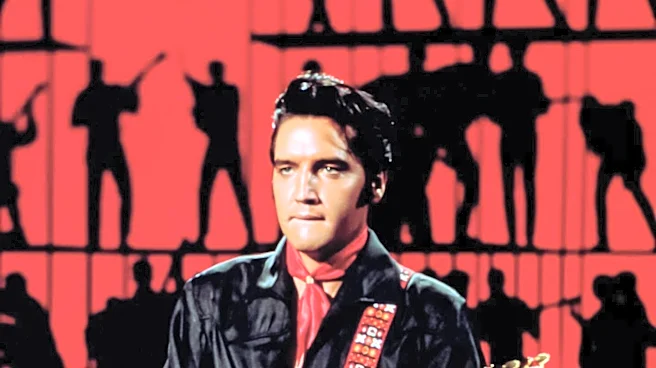
During the 1960s, psychologists were particularly intrigued by the significance of the Beatles' long hair, a style quickly adopted by other emerging bands. Academics proposed that this long hair signaled androgyny, presenting a less threatening version of male sexuality to teenage girls. It also allowed male fans to view the group with a sexual regard typically reserved for young females. Other concerns revolved around the Beatles' own sexuality, questioning whether their haircuts projected latent homosexuality or confident heterosexuality. Authors Barbara Ehrenreich, Elizabeth Hess, and Gloria Jacobs, in their 1986 book *Re-making Love: The Feminization of Sex*, suggested that the band's presentable suits made them appear less "sleazy" than Elvis Presley to middle-class white audiences.
Public figures also weighed in on the phenomenon. In February 1964, Paul Johnson wrote an article in the *New Statesman* asserting that Beatlemania was a modern form of female hysteria, characterizing the wild fans at concerts as "the least fortunate of their generation, the dull, the idle, the failures." This article became the most complained-about piece in the magazine's history. A 1966 study published in the *British Journal of Clinical Psychology* refuted Johnson's claims, finding that Beatles fans were not more likely to score higher on the Minnesota Multiphasic Personality Inventory's hysteria scale, nor were they unusually neurotic. Instead, the study described Beatlemania as "the passing reaction of predominantly young adolescent females to group pressures of such a kind that meet their special emotional needs."
The Impact on the Band and Beyond
Beatlemania's intensity had a profound effect on the band members themselves. Frustrated by the restrictions it imposed and often unable to hear themselves play over the fans' screams, the Beatles eventually ceased touring to become a studio-only band. This decision was a direct consequence of the overwhelming nature of the phenomenon, as they felt their musical skills were deteriorating during concerts where their songs were drowned out by continuous audience noise. Despite this, their popularity and influence continued to expand into various social and political spheres, and Beatlemania, though on a reduced scale, persisted into the members' solo careers.
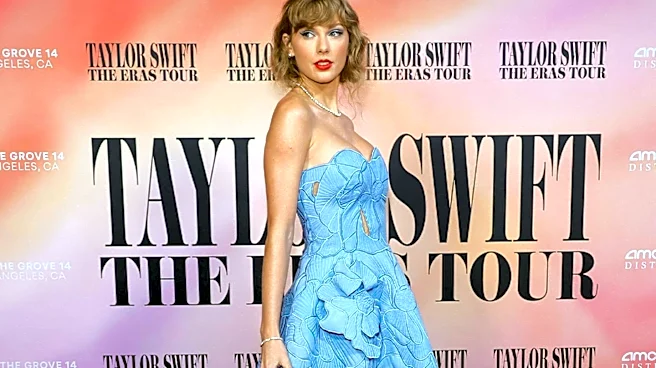
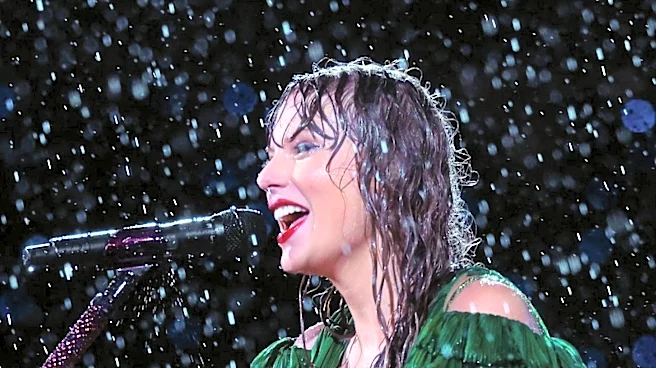
The phenomenon also drew comparisons to later pop acts, particularly boy bands and Taylor Swift, highlighting its enduring legacy as a benchmark for intense fan devotion. The sheer scale of the crowds, such as the 10,000 screaming fans who greeted them at London Airport in October 1963, even caused delays for the British Prime Minister, Alec Douglas-Home, whose car was obstructed by the throngs. This incident, alongside the complete disregard for the reigning Miss World who was also at the airport, underscored the unprecedented nature of the Beatles' fame and the all-consuming power of Beatlemania.