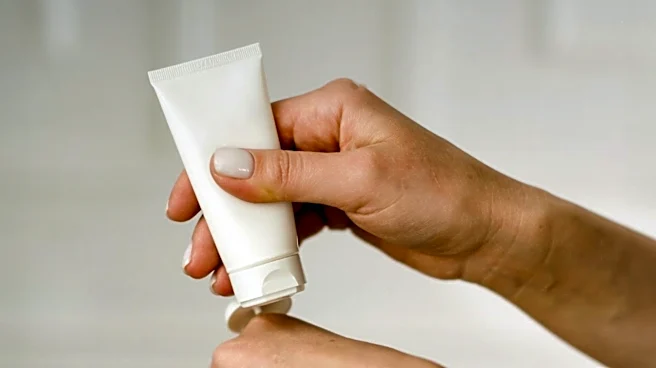







A skin care routine is a series of steps designed to maintain and improve the health and appearance of the skin. This routine typically includes cleansing, exfoliating, toning, moisturizing, and applying targeted treatments. Each step plays a crucial role in addressing different skin needs and concerns. Understanding these steps can help individuals tailor their routines to suit their specific skin types and issues.
Cleansing and Exfoliating
Cleansing is the first step in any
skin care routine. It involves removing dirt, oil, makeup, and other impurities from the skin. This step is essential for maintaining clean and healthy skin, as it prevents clogged pores and breakouts. Cleansers come in various forms, including lathering cleansers that use surfactants to emulsify and remove impurities. Some cleansers also have exfoliating properties, which help remove dead skin cells and promote skin renewal.
Exfoliating is another important step that involves the removal of dead skin cells from the skin's surface. This process can be achieved through chemical exfoliants, like glycolic acid, or physical exfoliants, such as scrubs. Exfoliation promotes cell turnover and rejuvenation, leaving the skin looking fresh and radiant. However, over-exfoliation can lead to irritation and damage, so it's important to choose products carefully and use them as directed.
Toning and Moisturizing
Toners are used after cleansing to balance the skin's pH and prepare it for moisturizing. They can offer various benefits depending on their formulation, such as reducing pores, brightening the complexion, or soothing inflammation. Choosing the right toner for your skin type can enhance the effectiveness of your overall routine.
Moisturizing is a crucial step that helps hydrate the skin and maintain its natural barrier. Moisturizers come in different formulations to suit various skin types, from lightweight gels for oily skin to rich creams for dry skin. Regular moisturizing can prevent and treat skin conditions like eczema and rosacea, ensuring the skin feels soft and comfortable.
Targeted Treatments
Targeted treatments address specific skin concerns, such as acne, hyperpigmentation, or aging. These treatments often contain active ingredients like retinoids, salicylic acid, or vitamin C, which work to improve the skin's appearance and health. Incorporating targeted treatments into your routine can help manage and reduce the severity of these issues.
Overall, a well-structured skin care routine can significantly enhance skin health and appearance. By understanding the purpose of each step, individuals can create a routine that effectively addresses their unique skin needs.