






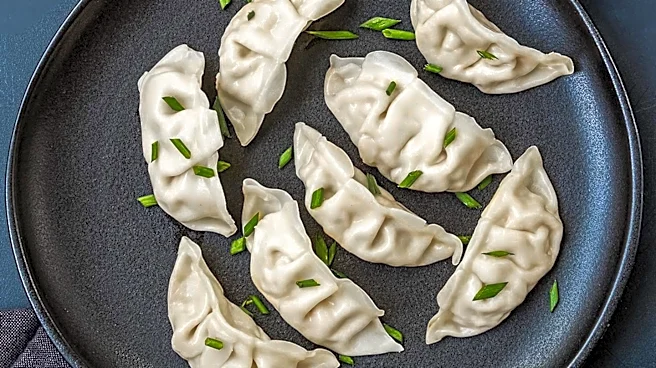

Cantonese cuisine, originating from the Guangdong province in China, has made a significant impact on the global culinary scene. Known for its diverse flavors and cooking techniques, it has become synonymous with Chinese food in many parts of the world. This article explores how Cantonese cuisine has spread globally and the factors contributing to its widespread popularity.
The Roots of Cantonese Cuisine
Cantonese cuisine is deeply rooted in the Guangdong province, particularly
in the city of Guangzhou. It is one of the Eight Great Traditions of Chinese cuisine, known for its emphasis on fresh ingredients and balanced flavors. The cuisine includes a wide variety of meats, seafood, and vegetables, often prepared using techniques like steaming and stir-frying. These methods help preserve the natural flavors of the ingredients, a hallmark of Cantonese cooking.
The historical significance of Guangzhou as a trading hub has also played a role in the development of Cantonese cuisine. During the Qing dynasty, Guangzhou was the only port open to foreign trade, which led to the incorporation of various international influences into the local cuisine. This blend of local and foreign elements has contributed to the unique and adaptable nature of Cantonese food.
Cantonese Cuisine in the West
The global spread of Cantonese cuisine can be largely attributed to the migration of Cantonese people. As they settled in different parts of the world, they brought their culinary traditions with them. Until the late 20th century, most Chinese restaurants in the West served primarily Cantonese dishes, which helped establish its reputation as the quintessential Chinese cuisine.
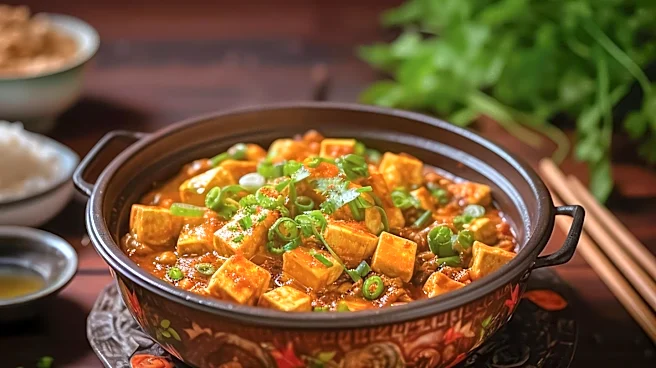
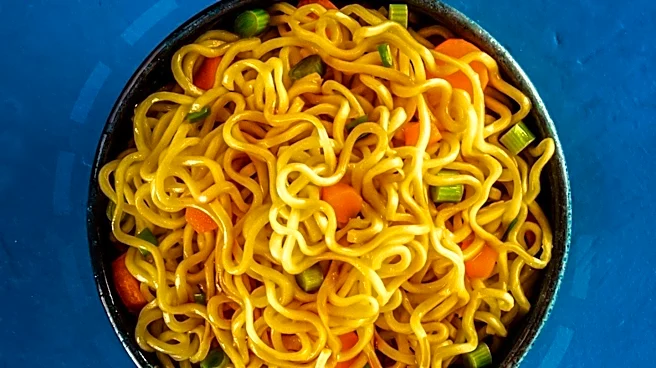
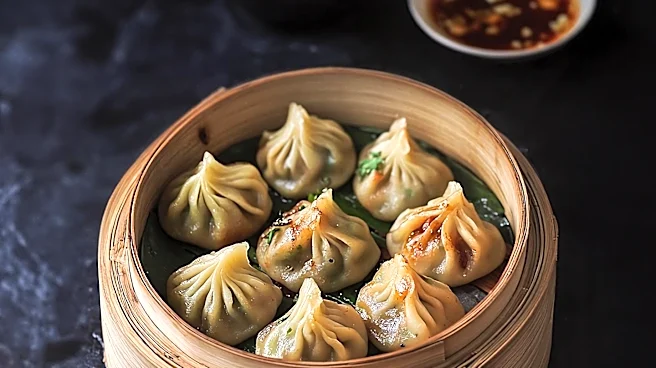
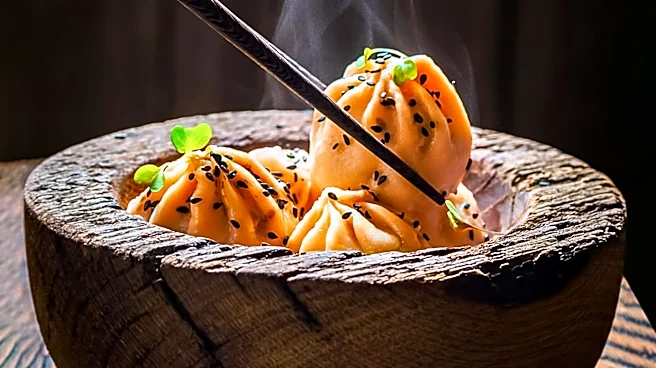
In Western countries, Cantonese cuisine is often adapted to suit local tastes, but it retains its core characteristics. Dishes like dim sum, sweet and sour pork, and wonton noodles have become staples in Chinese restaurants worldwide. The adaptability of Cantonese cuisine has allowed it to thrive in diverse cultural settings, making it a favorite among many.
The Future of Cantonese Cuisine
As the world becomes more interconnected, the influence of Cantonese cuisine continues to grow. Chefs trained in Cantonese cooking are highly sought after, and the cuisine's emphasis on fresh, high-quality ingredients resonates with modern culinary trends. Additionally, the rise of food tourism has led to increased interest in authentic Cantonese dining experiences.
Cantonese cuisine's global popularity shows no signs of waning. Its ability to adapt while maintaining its traditional roots ensures that it will remain a significant player in the international culinary landscape. As more people discover the rich flavors and techniques of Cantonese cooking, its influence will likely continue to expand, bringing a taste of Guangdong to tables around the world.