




Ardha Chandrasana, or Half Moon Pose, is a standing asana in modern yoga that offers a unique blend of balance and strength. This pose is entered from Trikonasana, or Triangle Pose, and involves a dynamic stretch that engages multiple parts of the body. Practitioners often find that Ardha Chandrasana not only strengthens the ankles but also significantly improves overall balance. This article delves into the practice and benefits of this pose, providing
insights into its execution and effects.
Entering Ardha Chandrasana
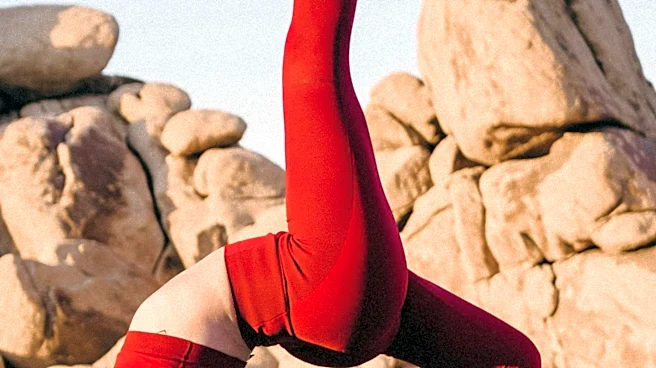
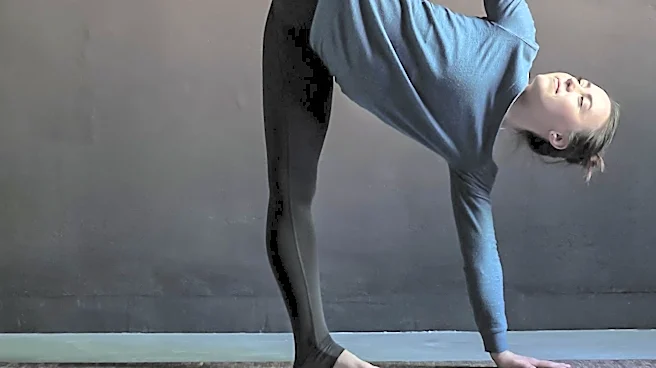
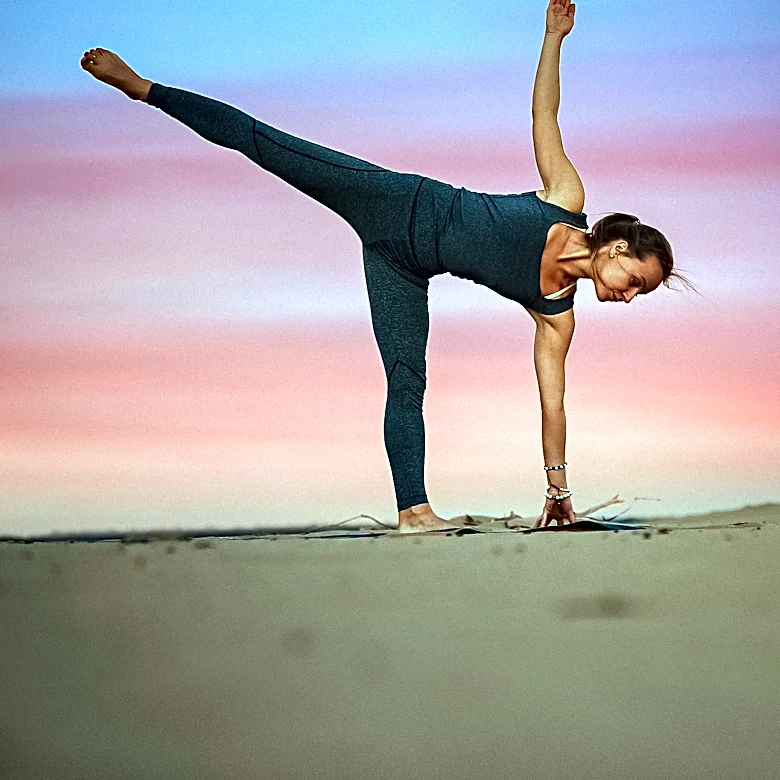
Ardha Chandrasana begins with the practitioner in Trikonasana, where one foot is positioned forward. The arm opposite to the forward foot is placed on the hip, setting the stage for the transition into Half Moon Pose. As the rear leg stretches upward and the front hand extends outward, only the fingertips remain on the ground. This delicate balance requires focus and precision, as the hand on the hip gradually reaches up towards the ceiling. The gaze is directed at the upper hand, enhancing concentration and stability.
The transition from Trikonasana to Ardha Chandrasana is a testament to the interconnectedness of yoga poses. It highlights the importance of alignment and the seamless flow between asanas. Practitioners are encouraged to maintain a steady breath and focus on the alignment of their body, ensuring that each movement is deliberate and controlled.
Benefits of Ardha Chandrasana
One of the primary benefits of Ardha Chandrasana is its ability to strengthen the ankles. This pose demands a stable foundation, which in turn fortifies the muscles and ligaments around the ankle joint. As practitioners hold the pose, they engage in a subtle yet powerful workout that enhances the durability and flexibility of their ankles.
In addition to strengthening the ankles, Ardha Chandrasana is renowned for improving balance. The pose requires the practitioner to maintain equilibrium while stretching in multiple directions. This challenge to the body's balance systems fosters a heightened sense of stability and coordination. Over time, practitioners often notice improved balance not only in yoga but in everyday activities as well.
Variations and Adaptations
Ardha Chandrasana offers several variations that can be adapted to suit different levels of practice. For those seeking an additional challenge, Parivrtta Ardha Chandrasana, or Revolved Half Moon Pose, involves revolving the body towards the standing leg. This variation intensifies the stretch and requires even greater focus and balance.
Another variation, Baddha Parivrtta Ardha Chandrasana, or Bound Revolved Half Moon Pose, incorporates binding the arms around the standing leg. This adaptation further engages the core and enhances the stretch across the torso. These variations allow practitioners to explore the depths of Ardha Chandrasana, tailoring the pose to their individual needs and goals.
Ardha Chandrasana is a versatile and beneficial pose that enriches the yoga practice. Whether focusing on balance, strength, or flexibility, this pose offers a pathway to greater physical and mental well-being.